Why cities are writing generator noise and idling rules
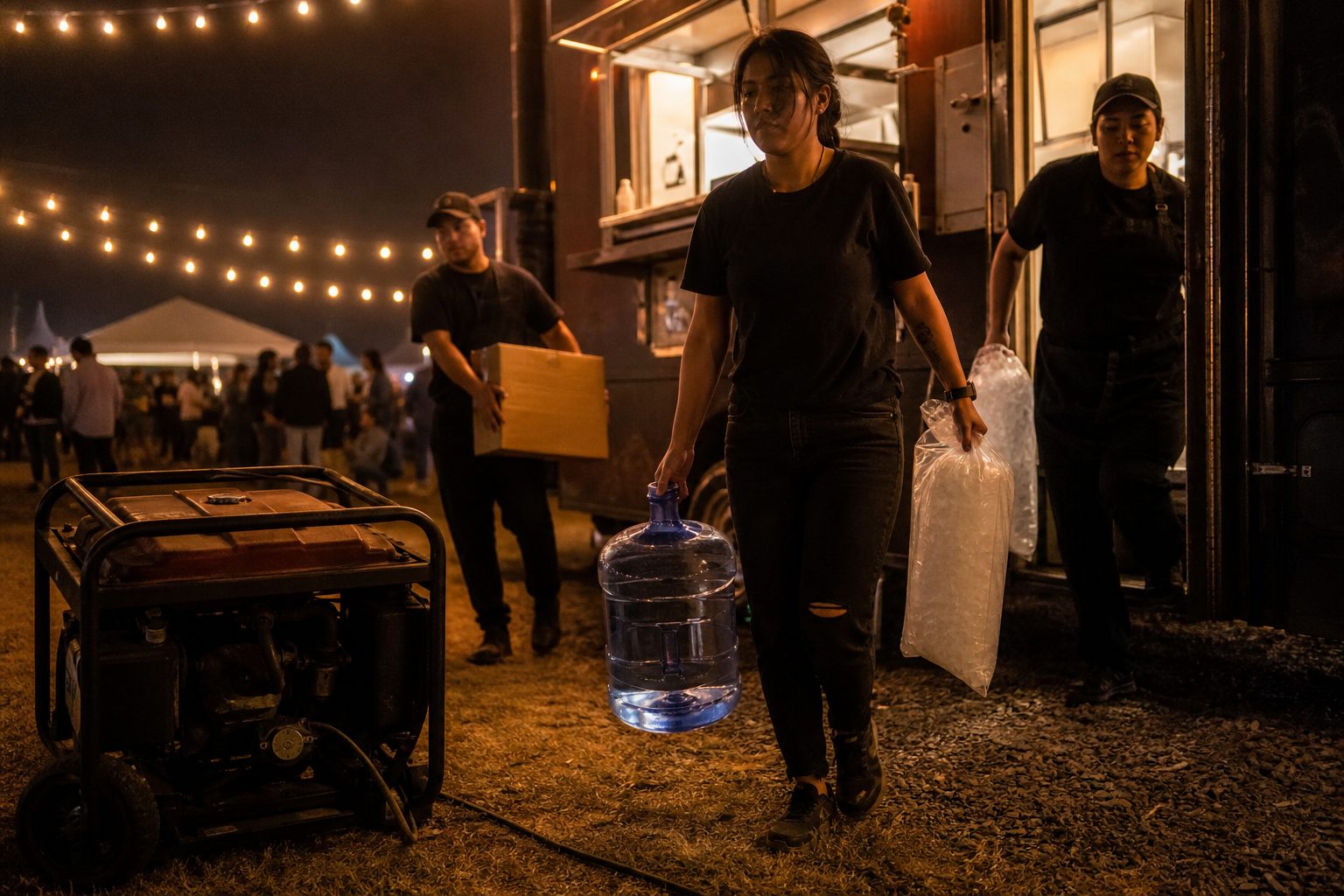
Food trucks have always relied on portable generators or engine idling to power appliances, lights, and payment terminals. However, city governments are facing mounting pressure from residents and business owners over the noise and fumes. Complaints spike in dense neighborhoods, near schools, and at evening events where generators hum well past dusk. Local air boards and environmental groups connect generator emissions with local air quality issues.
Many cities now enforce stricter decibel limits for stationary equipment, including food truck generators. Common quiet hours run from late evening to early morning, with some areas banning generators outright in certain districts. Health departments are also weighing in, especially where food trucks operate in close quarters or cluster in shared lots. The push is not just about noise, but also diesel exhaust and carbon monoxide exposure. These rules often come with fines, permit denials, or forced relocations for noncompliance.
As a result, food truck operators face new incentives to find quieter, cleaner options for powering their businesses. Battery banks and alternative fuels are gaining attention as regulations continue to tighten.
Keep reading: A Three-Day Festival Shift: Water, Ice, Waste, and Fuel Runs
What a real service load draws, circuit by circuit
To choose the right power setup, owners need to know exactly what their truck draws. Each appliance and system adds up. The biggest loads are usually the griddle, fryers, steam tables, refrigeration, and air conditioning. Smaller draws come from lights, POS hardware, and water pumps. The startup surge for a refrigerator or AC compressor can be three times higher than its steady draw.
For example, a standard electric griddle might draw 1,800 to 2,500 watts (about 15 to 20 amps at 120 volts). Commercial refrigerators often cycle between 400 and 800 watts but spike higher at startup. A single AC unit for a midsize truck can pull another 1,000 to 2,000 watts. Add lighting and small appliances, and a typical lunch or dinner service runs between 4,000 and 8,000 watts at peak. Trucks with espresso machines or vent hoods climb higher. Multiply these numbers by the hours of service to get your total daily energy need, measured in kilowatt-hours (kWh).
Owners must also plan for overlapping loads. If prep starts before service, cold storage and lighting may run longer than the griddle. Circuit panels in trucks usually divide the service into 15 or 20-amp breakers, so balancing loads prevents tripping breakers and losing service during a rush.
Lithium battery banks, inverters, and the charge time math
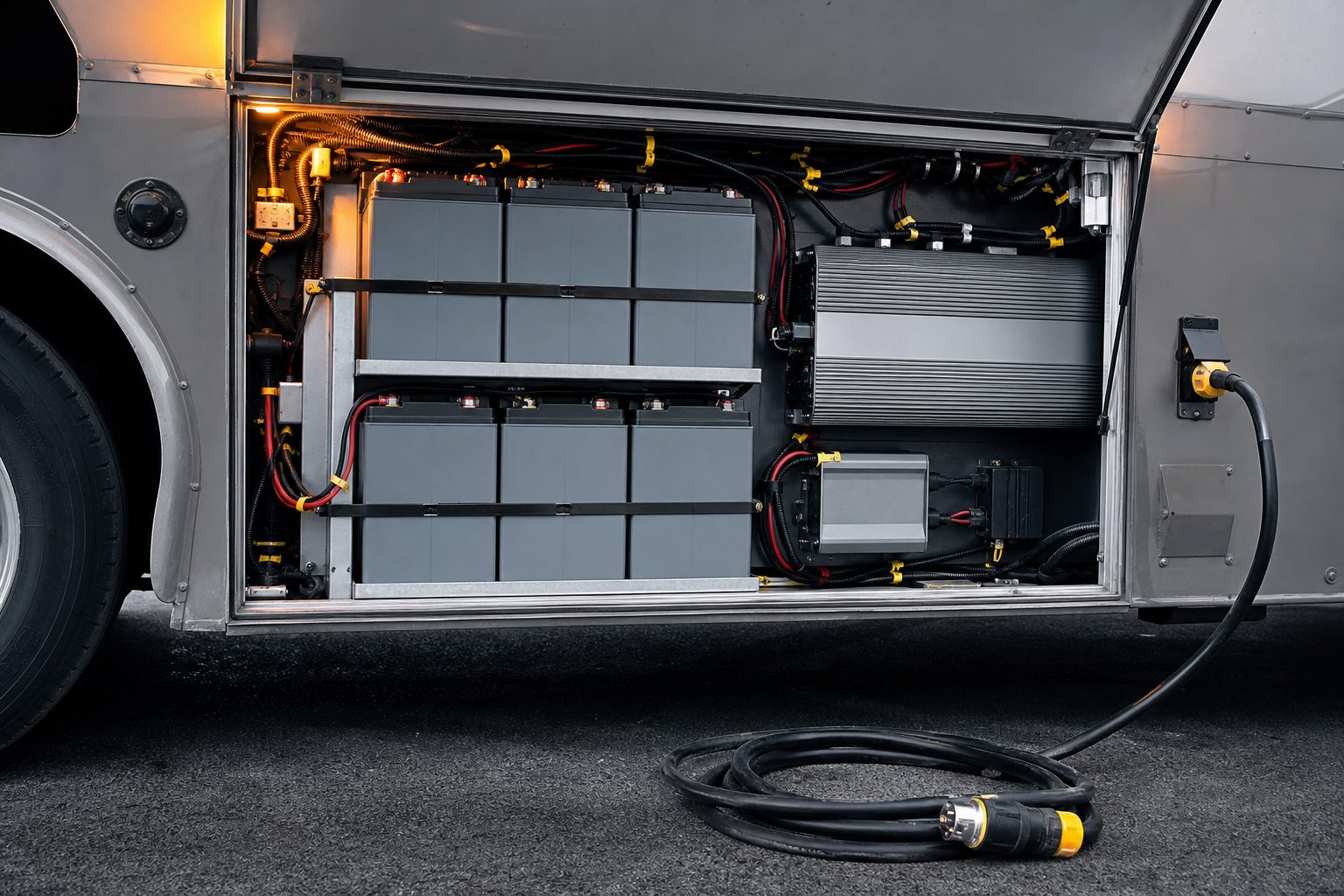
Battery technology is changing fast. Lithium iron phosphate (LiFePO4) batteries are now common in new all-electric food trucks. They are lighter and more compact than the old deep-cycle lead-acid types. Their main draw is the ability to deliver high current without sagging voltage, plus thousands of charge cycles before losing significant capacity.
The size of battery bank you need depends on your daily energy draw. For example, a 10 kWh battery can power a load of 2,000 watts for five hours. If your combined appliances and systems pull 5,000 watts at peak, you can expect about two hours of runtime from 10 kWh. Operators often install banks from 15 to 30 kWh to cover a full lunch or dinner shift.
Every battery setup requires a high-quality inverter to convert stored DC power to AC for kitchen equipment. Inverters must handle peak demand with a safety margin. If you plan for 6,000 watts service, look for at least an 8,000 watt inverter. Battery banks recharge from shore power, solar, or even a backup generator. Full recharge times depend on the charger's amp rating and shore power availability. At 30 amps, a 15 kWh battery can take about six to seven hours to fully recharge from empty.
Operators must consider battery management systems, temperature protection, and safe installation. Battery banks add weight, so axle ratings and safe mounting matter for mobile units.
Keep reading: What Your Commissary Agreement Must Prove to a Health Inspector
Shore power at pods, breweries, and office park lots
Shore power means plugging in to a fixed electrical supply, like an RV hookup or a dedicated pedestal at a food truck pod. Many breweries, business parks, and event sites now offer 30-amp or even 50-amp hookups for trucks. Shore power eliminates generator noise and emissions during service hours. It also allows trucks to recharge batteries overnight if on-site parking is available.
Not all shore power is equal. Some locations provide only 120-volt, 15-amp outlets, enough for lights and small loads but not a full kitchen. Others offer 240-volt service, which can handle heavy equipment and fast battery charging. Before booking a spot, always ask about outlet types, breaker ratings, and how far your truck will be from the panel. Heavy-duty extension cords and adapters are often required.
Some shared lots rotate trucks, so overnight charging might not be an option. In those cases, batteries must be topped off at a commissary or home base. Shore power is the most reliable and quiet solution where available, but it is not yet standard at every stop.
Induction and electric griddles versus propane on the line
Cooking equipment makes up the largest energy draw on most trucks, and the switch from propane to electric is a major decision. Induction burners and electric griddles are gaining ground, especially as battery banks improve. Induction is efficient, heats quickly, and is easier to clean than open flames. Electric griddles offer even heat distribution and avoid the need to store and transport propane tanks.
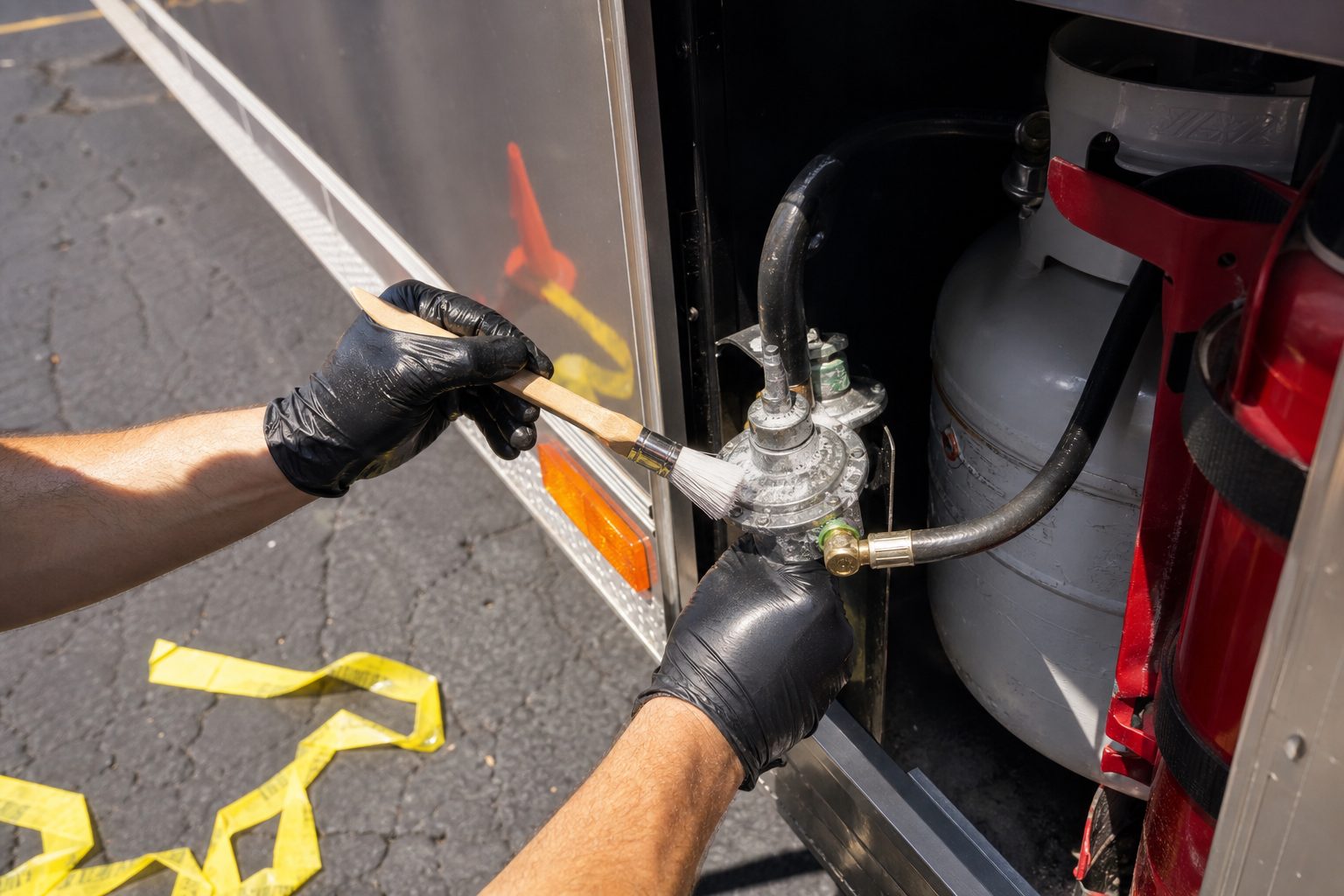
However, propane still offers key advantages. It delivers high BTUs for fast, continuous cooking, especially for fryers and wok stations. Propane appliances work even when electrical systems fail or batteries run low. Refilling propane is fast at most supply yards, while recharging a depleted battery can take hours. For trucks with short service windows, the convenience of propane can outweigh the push to electrify.
Some operators use hybrid systems: electric for cold prep and light cooking, propane for high-heat or long-duration tasks. This mixed approach can reduce total battery size and make compliance with city rules easier without giving up cooking performance.
See how CurbsideDrop handles this for food trucks and street food
Rooftop solar: what it can carry and what it cannot
Solar panels are an appealing addition for mobile kitchens. Panels on the roof or awning can trickle-charge batteries or run small loads during bright daylight. In practice, a typical food truck roof can hold two to four 300-watt panels, for a maximum of 1,200 watts in full sun. Over a six-hour window, this yields roughly 6 to 7 kWh on a sunny day.
This is enough to cover lights, fans, and POS, but not the main kitchen equipment. Solar alone cannot power a griddle or fryer during lunch rush. It works best as a supplement, stretching battery runtime or handling background loads. Operators in southern or western states with more sun see bigger returns on rooftop arrays. Battery charge controllers and monitoring systems are required to integrate solar power safely.
Solar adds value for trucks that park for long periods or operate at farmers markets and outdoor festivals with limited shore power. It is not a drop-in replacement for generator or shore power, but it does reduce reliance on fossil fuels and can help with compliance in noise-restricted areas.
Grants, rebates, and how to read the eligibility fine print
State and local agencies sometimes offer grants and rebates to help small businesses switch to cleaner power. Programs target battery-electric vehicles, emissions reduction, or upgrades for mobile food vendors. Eligibility requirements often focus on location, fleet size, and the type of technology installed. Proof of purchase, installation by a licensed contractor, and proper disposal of old equipment are common stipulations.
The application process can be detailed. Operators may need to submit utility bills, photographs, and project estimates. Some grants are competitive, while others are first come, first served. Funds can cover part of the equipment cost or installation, but rarely the entire project. Many programs require ongoing reporting or participation in city pilot programs.
Always check if funding is limited to new trucks or if retrofits qualify. Some grants only apply to all-electric vehicles, not to hybrid or propane-powered setups. Deadlines and paperwork can be tight, so plan ahead and read the fine print before committing to a purchase. Local food truck associations and small business support centers can sometimes help navigate the process.
Questions to answer before you pull out a working generator
Switching from a generator to batteries or shore power is a big investment and changes your daily workflow. Start by mapping every appliance and estimating your true daily energy use. Factor in seasonal variables, like summer air conditioning or winter heating. Check your city's current and upcoming rules, and ask yourself where you expect to serve most often in the next two years.
Consider where you will recharge: at home, a commissary, or on site. Think about backup plans for days when shore power fails or service locations change. Evaluate your menu and cooking style. If propane is central to your brand, total electrification may not be practical yet. Budget for installation, maintenance, and the learning curve for new systems.
Finally, communication with customers is critical when you change locations, menus, or service hours to adapt to power realities. Many operators use digital tools to keep regulars informed. Broadcast platforms that combine SMS, maps, and social media help maintain business continuity and customer trust as you transition to quieter, cleaner power sources.