Load in: the site map, the assigned spot, and the power drop
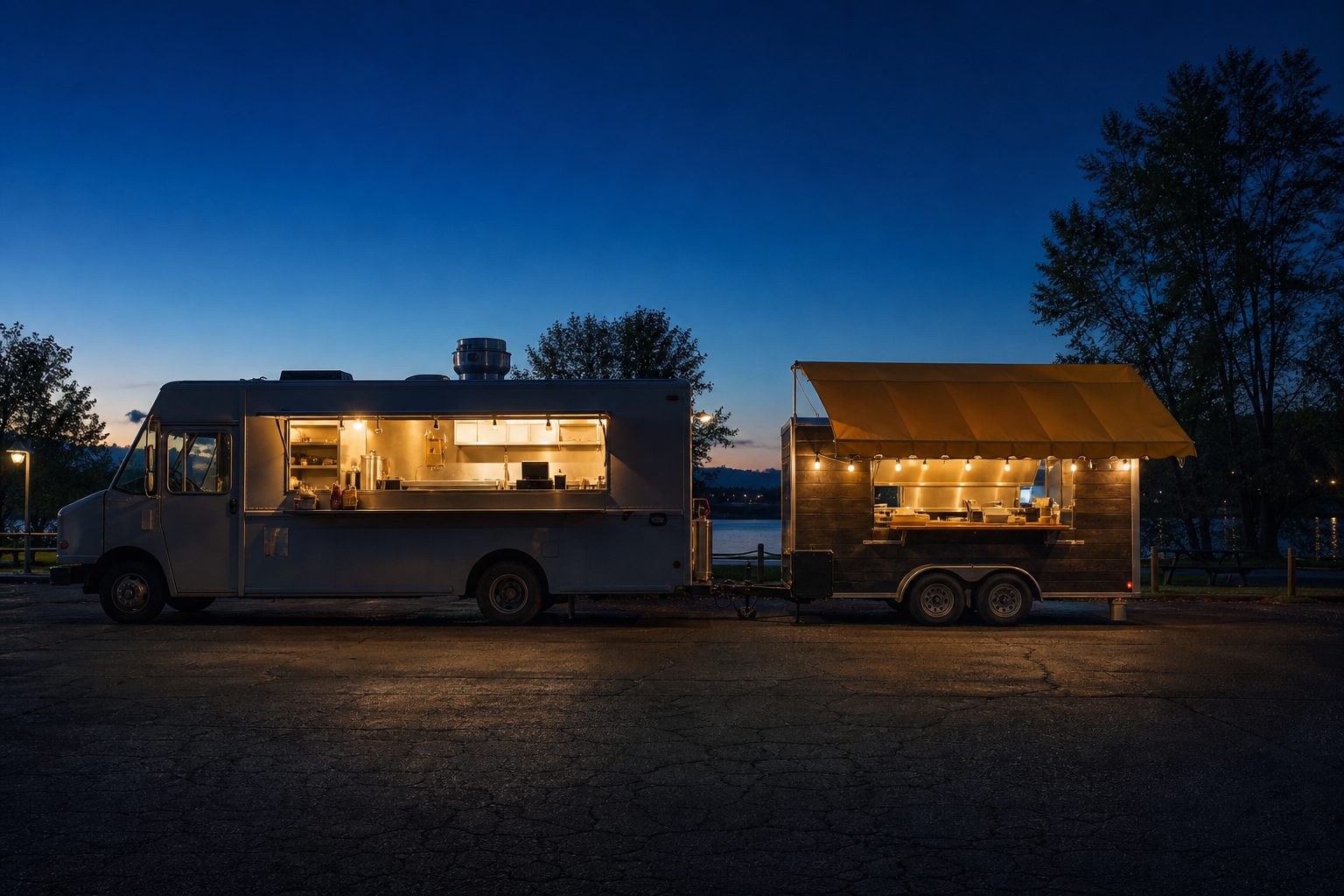
The first hours of a multi-day festival begin before sunrise, often with a convoy of trucks waiting on a service road or the edge of a parking lot. Organizers hand out a site map and a tag for your rearview mirror. Your assigned spot is rarely what you pictured from overhead. Corners fill first, then the main path, and finally the overflow rows. Sometimes you wedge in with inches to spare on either side, mirrors folded in, with event staff motioning you forward.
Most festivals place food trucks in a cluster or line along the main pedestrian flow. Your power drop, if you paid for it, is a heavy-duty extension cord, sometimes snaked from a central generator. Check the amperage before you plug in. Event staff may supply 110-volt or 220-volt access, but not always the plug format you expected. Some crews bring their own adaptors and splitters to cover every scenario, but missteps here can mean running off your own generator or even losing power mid-service.
Cell service can be hit or miss, depending on the crowd and location. If your point-of-sale system runs off Wi-Fi or mobile data, have a backup plan. Some operators bring a personal hotspot. Others switch to manual ticketing if needed. Being ready for anything at load in sets the pace for the next three days.
Keep reading: What Your Commissary Agreement Must Prove to a Health Inspector
Temporary event permits and the on site health check
Even if your truck is licensed in your home county, festivals in other cities or states require temporary event permits. You submit paperwork ahead of time, but often need to show originals on site. Health department inspectors come early, clipboard in hand, usually before the gates open. They check for handwashing stations, sanitizer, thermometer calibration, and food storage temperatures.
Some events provide a checklist in advance, but inspectors may still have their own priorities. One official checks your water heater. Another focuses on your cold holding. At a multi-day festival, you can expect at least one unannounced revisit, especially if the first check turns up anything borderline. If you fail, you get shut down until the issue is fixed. It is common to see a crew racing to buy a new probe thermometer or a roll of paper towels from a nearby store.
If you are vending in a different state, pay attention to local rules on glove use, allergen signage, and waste storage. These can change from one event to the next. The permit fee is a sunk cost, but a failed health check costs you every hour you are not open.
Water: how fast a fresh tank empties and where you refill it
A typical food truck water tank holds 30 to 50 gallons. With a hand sink running all day, that supply disappears quickly. For a three-day festival, you may refill two or three times. Most operators track water use by the hour, watching the flow slow before the tank finally sputters dry. Running out mid-service forces a scramble.
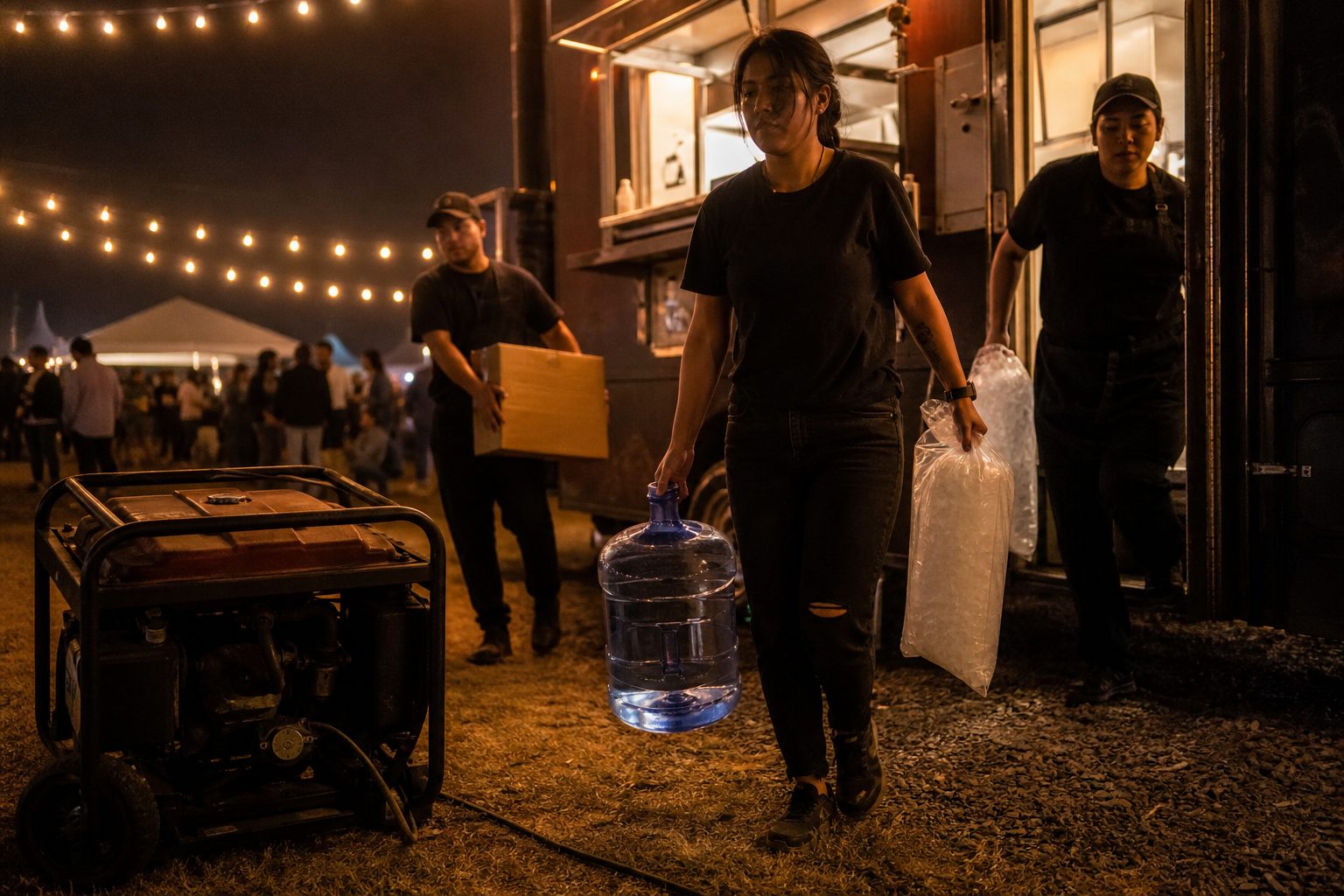
Refill logistics depend on the site. Some events set up a filling station, usually a hose stand near a service tent or maintenance area. Others expect you to bring your own potable water containers and haul them from a remote tap. In some cases, the only option is to leave the festival grounds and drive to a nearby gas station or park. Hauling water means heavy lifting and lost time. Some crews assign a runner just for this job, especially if you are serving messy or high-turnover items like tacos or fried foods.
It is common for trucks to coordinate with neighbors on water runs, pooling resources or sharing a dolly. The hidden cost is the downtime and the risk of missing a health inspector's spot check while you are away. Having a second set of keys and a clear refill routine makes these interruptions less painful.
Keep reading: How to Pass a Fire Marshal Inspection on a Propane Food Truck
Ice as a consumable line item, not an afterthought
Ice management is often underestimated, especially in hot weather or high-volume events. Soft drinks, cold prep, and food-safe holding all depend on a steady supply. On the first day, you may buy a dozen bags from the on-site vendor. By day two, prices rise and supplies run low as more trucks realize they are running short.
Some operators bring their own chest freezers or extra coolers packed with ice from a warehouse club. Others rely on daily deliveries. The real expense comes from the volume used. Drinks alone can drain an entire bag in an hour during peak service. If you are prepping salads or desserts, expect to double your use. Keeping backup ice for hand sinks is mandatory under most health codes.
At many festivals, organizers contract with a single ice supplier who charges above retail. Buying off site may save money, but costs time and labor. Some events prohibit outside ice to secure exclusivity for their vendor. Factor in these rules before you arrive. Treat ice as a line item in your food cost calculations, not a rounding error.
Gray water and grease disposal rules organizers rarely explain
Every food truck produces gray water, and every event has its own way of dealing with it. Some organizers provide a dump station or a tank service that comes around twice a day. Others only mention disposal in the fine print, leaving you to ask for directions during a rush. The rules for grease are even stricter, many sites ban dumping entirely, and you are responsible for hauling away your own spent oil.
Some operators bring extra gray water tanks or use sealed jerry cans to store overflow. It is not unusual to see crews wheeling five-gallon buckets to the edge of the grounds late at night. The risks of improper disposal include not just fines, but also being blacklisted from future events. In some cities, inspectors will check your storage tanks and fine you on the spot for leaks or overflow.
If you are doing any deep frying, plan for how you will store and remove hot oil. Some festivals allow you to pay for grease pickup, but slots fill up quickly. Leaving oil behind can mean losing your security deposit. Check the event packet ahead of time, and bring extra absorbent pads or spill kits if you fry on board.
See how CurbsideDrop handles this for food trucks and street food
Propane and fuel runs between services
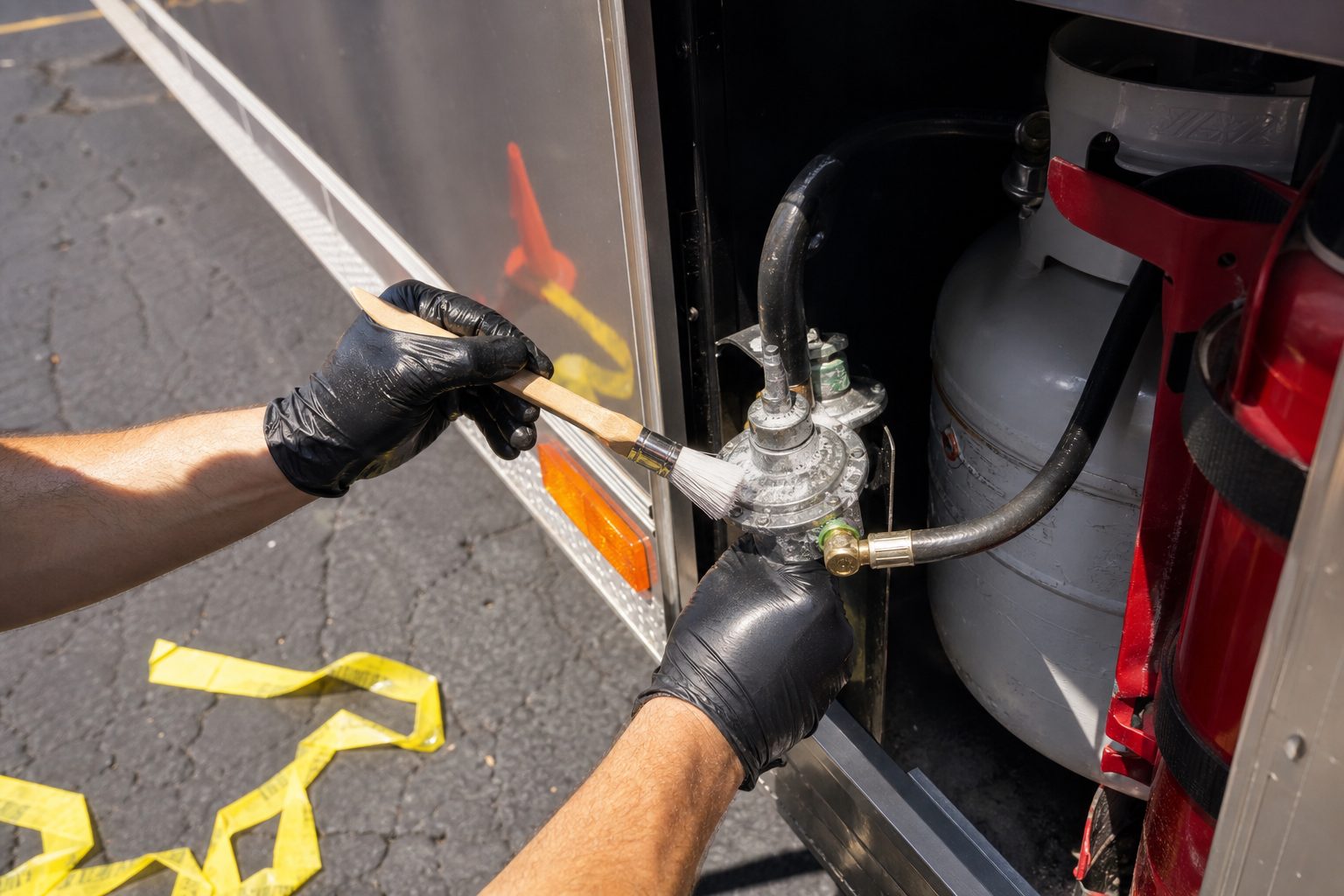
Propane is the lifeblood of many trucks' grills, fryers, and steam tables. A standard 40-pound tank can last for several hours of service, but during a busy festival, you may burn through two or more in a single day. If the site does not allow on-site exchanges, you must send a team member to a nearby hardware store or gas station, often during peak hours. Some city centers restrict propane deliveries, so plan these runs in advance.
Many crews carry a spare tank, but storage space is tight. Refilling diesel or gasoline for generators is a similar challenge. Most festivals prohibit refueling during service hours for safety reasons. Running out mid-shift means lost sales and sometimes long waits for re-entry after leaving the grounds. Keep accurate records of burn rates and always check fuel levels before the rush begins.
Some operators form alliances with neighbors, coordinating runs to maximize efficiency. Others pay a premium for on-site refueling services, if offered. Having a clear system for tracking fuel and propane use is critical, especially over three long days.
Staffing three days without wrecking the crew
Festival work is hard on staff. Shifts run long, with doors opening at 10 a.m. and last call near midnight. Crew members rotate between cooking, serving, cleaning, and running errands. Fatigue sets in by the second day, especially in hot weather or rain.
Scheduling and breaks
Most operators work in shifts, overlapping lunch and dinner. Some bring in extra hands just for rush periods, then send staff off site to rest or nap in a support vehicle. Others rely on friends or family for backup. Water, snacks, and sun protection go a long way to keep spirits up. Some trucks use a sign-up sheet for breaks to avoid burnout, while others rely on the crew to signal when they need time out.
Dealing with emergencies
First aid kits and basic medical supplies are non-negotiable. Heat exhaustion, minor cuts, or burns are common. Assigning one person to monitor the crew for signs of stress or illness helps catch issues before they become serious. Some events provide a volunteer tent or medical station for vendors, but these can be crowded or hard to find during peak hours.
Communication is key. Radios or group text threads help keep everyone on the same page. Rotation of duties prevents repetitive motion injuries and keeps the team engaged. At the end of each day, a quick debrief can surface problems before they escalate.
Settling up: vendor fees, percentage of gross, and the payout
After three days of work, settling up with the event organizer is the final hurdle. Some festivals charge a flat vendor fee, paid up front. Others take a percentage of gross sales, often collected at the end of each night. Accurate recordkeeping matters: you need to track every sale, refund, and comp. Organizers may ask to see your point-of-sale reports or even audit your till on the spot.
Payment timing varies. Some events pay out cash nightly, others mail a check a week later. It is not unusual for disputes to arise over sales tallies, especially if POS outages or manual tickets were used during spotty service. Make sure you have backup records, including handwritten logs or daily close-out sheets. If the event takes a cut of sales, factor credit card fees and refunds into your bottom line.
Many operators find that after all the costs, vendor fees, staffing, supplies, fuel, and time, festival vending is a break-even or modestly profitable venture. The real value is often in the exposure, repeat customers, and social media buzz generated by a well-run booth.
When you are juggling menu updates, schedule changes, and last-minute location shifts, having a tool that broadcasts your daily spot and menu to your SMS list, map page, and social feeds can keep customers coming even as the paperwork piles up. Coordinating the logistics gets easier when your updates reach everyone at once.