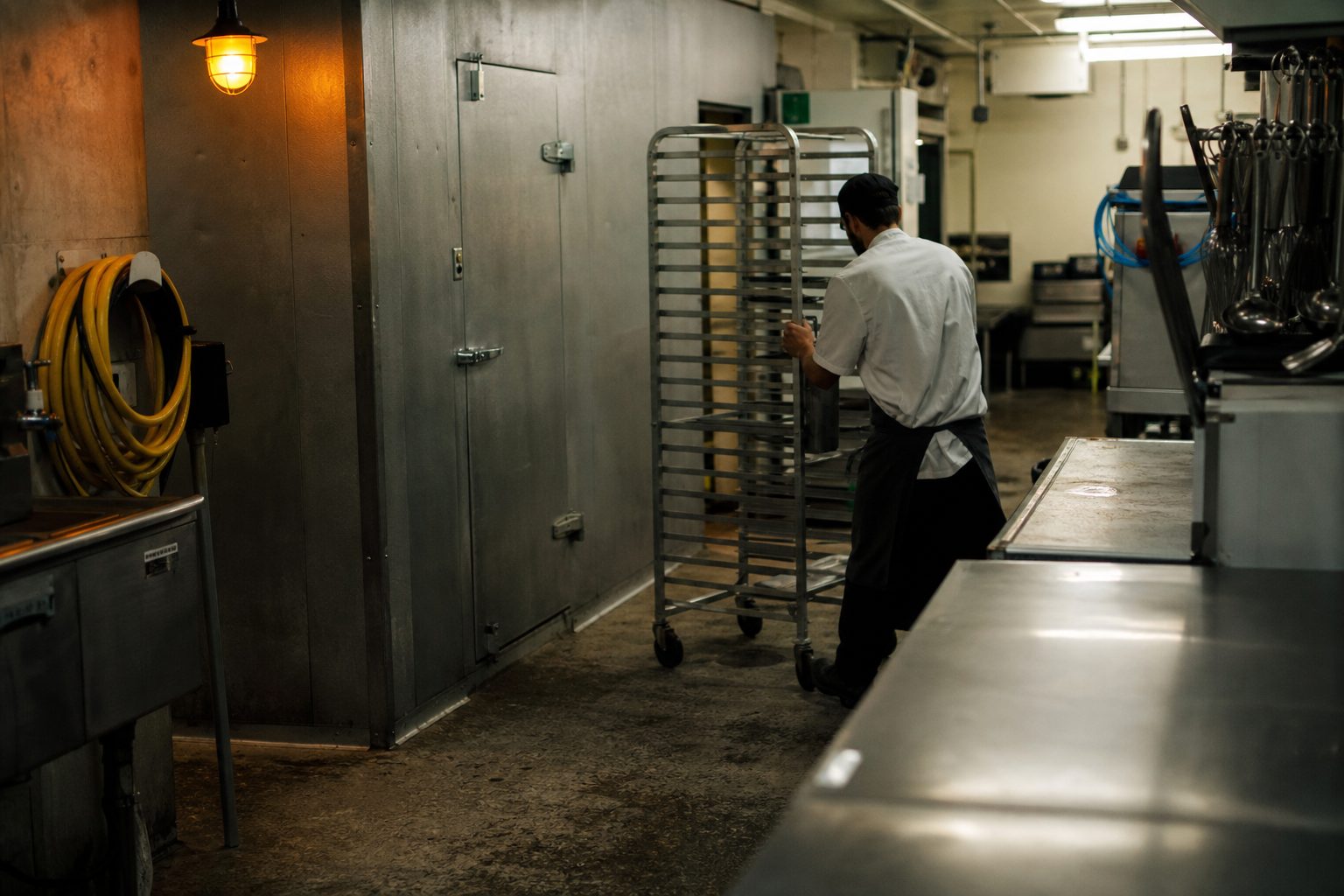
What Your Commissary Agreement Must Prove to a Health Inspector
Health departments do not accept a handshake. Here is what the commissary letter has to state, which services it must cover, and how inspectors verify that the arrangement is real.
Published by CurbsideDrop
Reporting on the working life of American food trucks: permits, propane, plate costs, and the curb you park on.
Health departments do not accept a handshake. Here is what the commissary letter has to state, which services it must cover, and how inspectors verify that the arrangement is real.

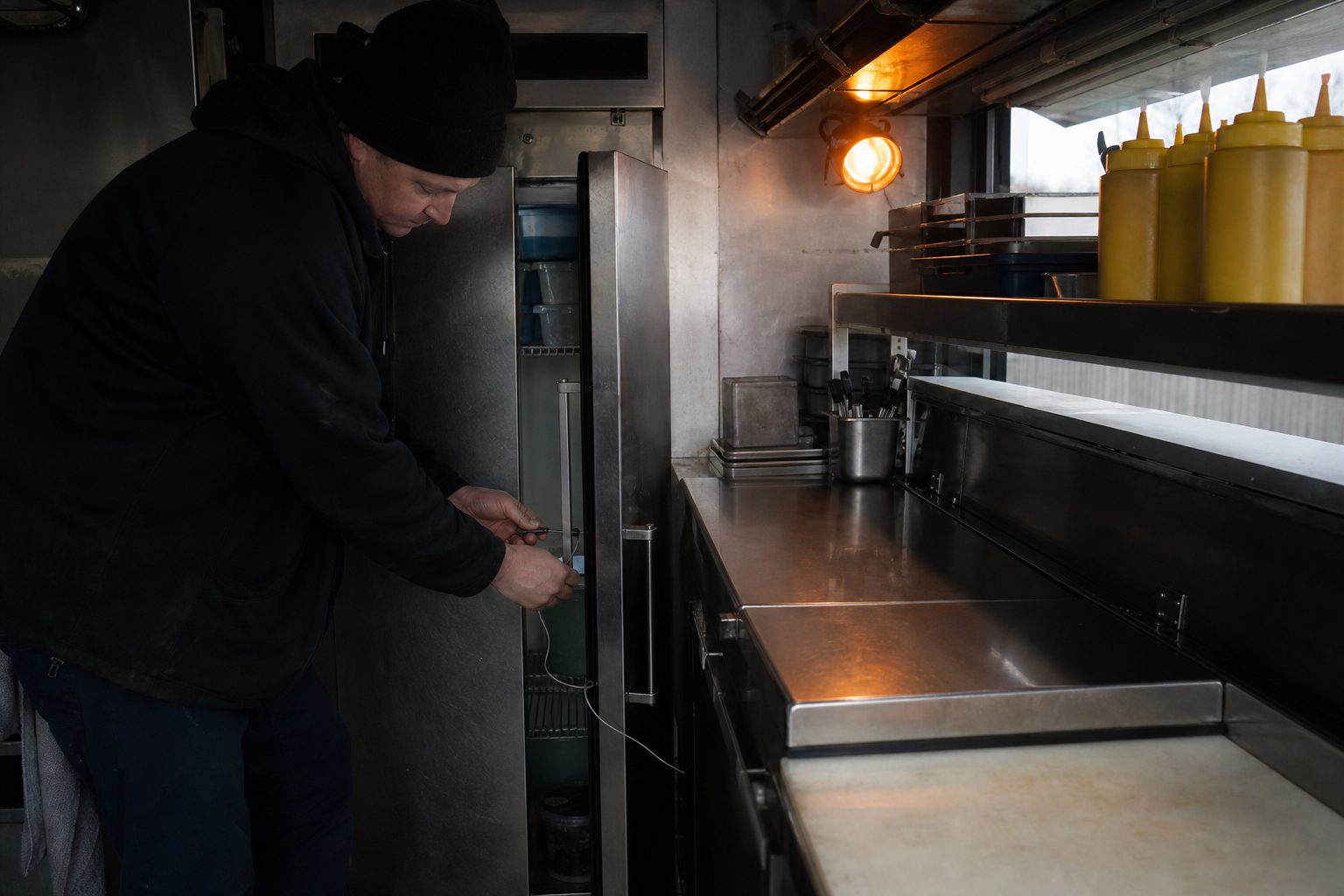
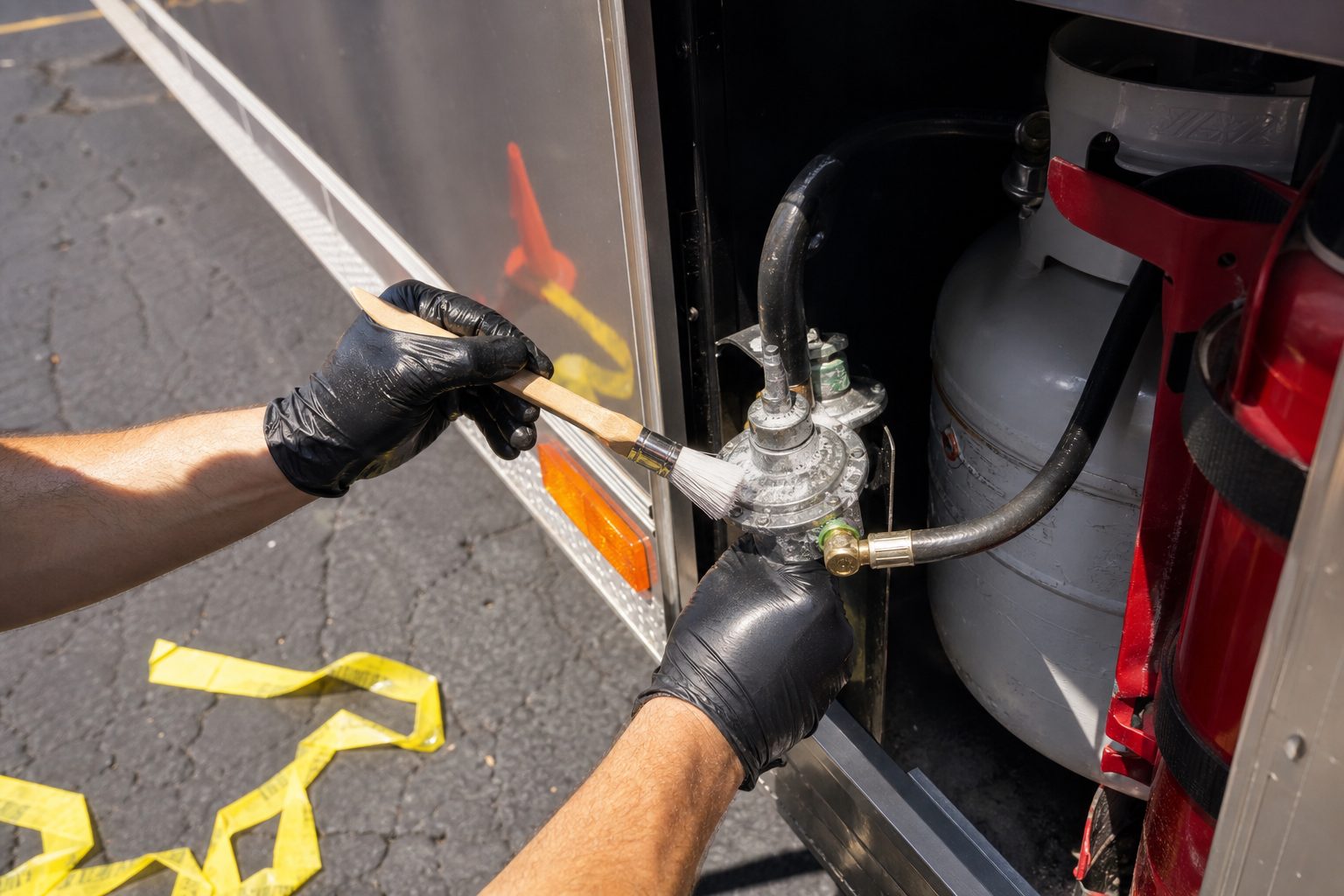
Hood suppression, extinguisher class, cylinder mounting, hose condition. The fire marshal checks a short list on a mobile kitchen, and every item on that list has a written standard behind it.
Two formats, two different businesses. Purchase price, tow vehicle, health department classification, curb access, and resale all break differently for a truck than for a trailer.
Fixed costs, variable costs, and plate cost stacked against a six hour window. Work out the ticket count that gets you to zero before you agree to another event fee.
From the night before load out to the final gray water dump, the sequence that gets a mobile kitchen open on time with the logs a health inspector can read.
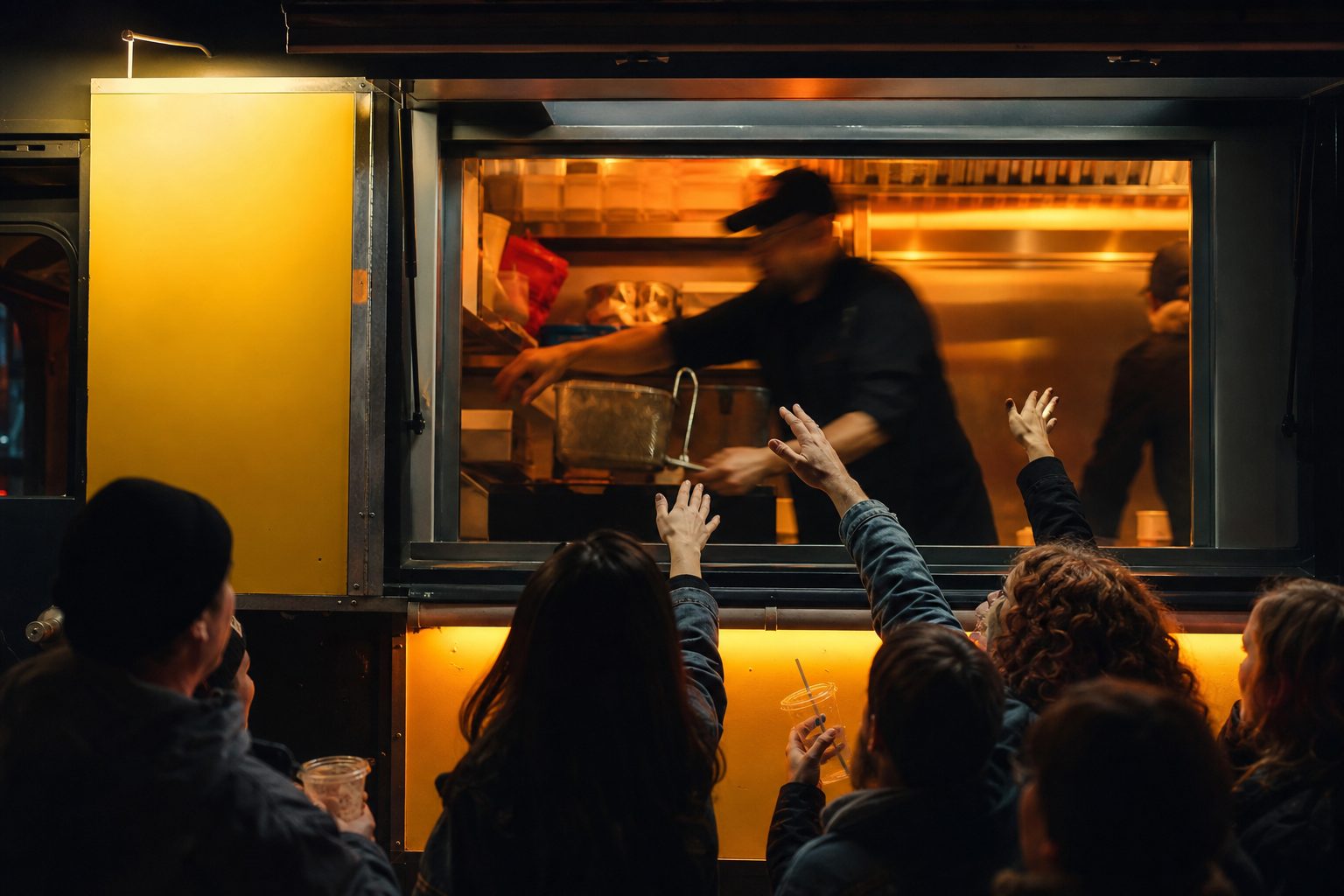
Menu length, fryer bottlenecks, modifiers, and single use ingredients all show up as seconds per ticket. Here is where a well meaning menu quietly costs you the lunch rush.
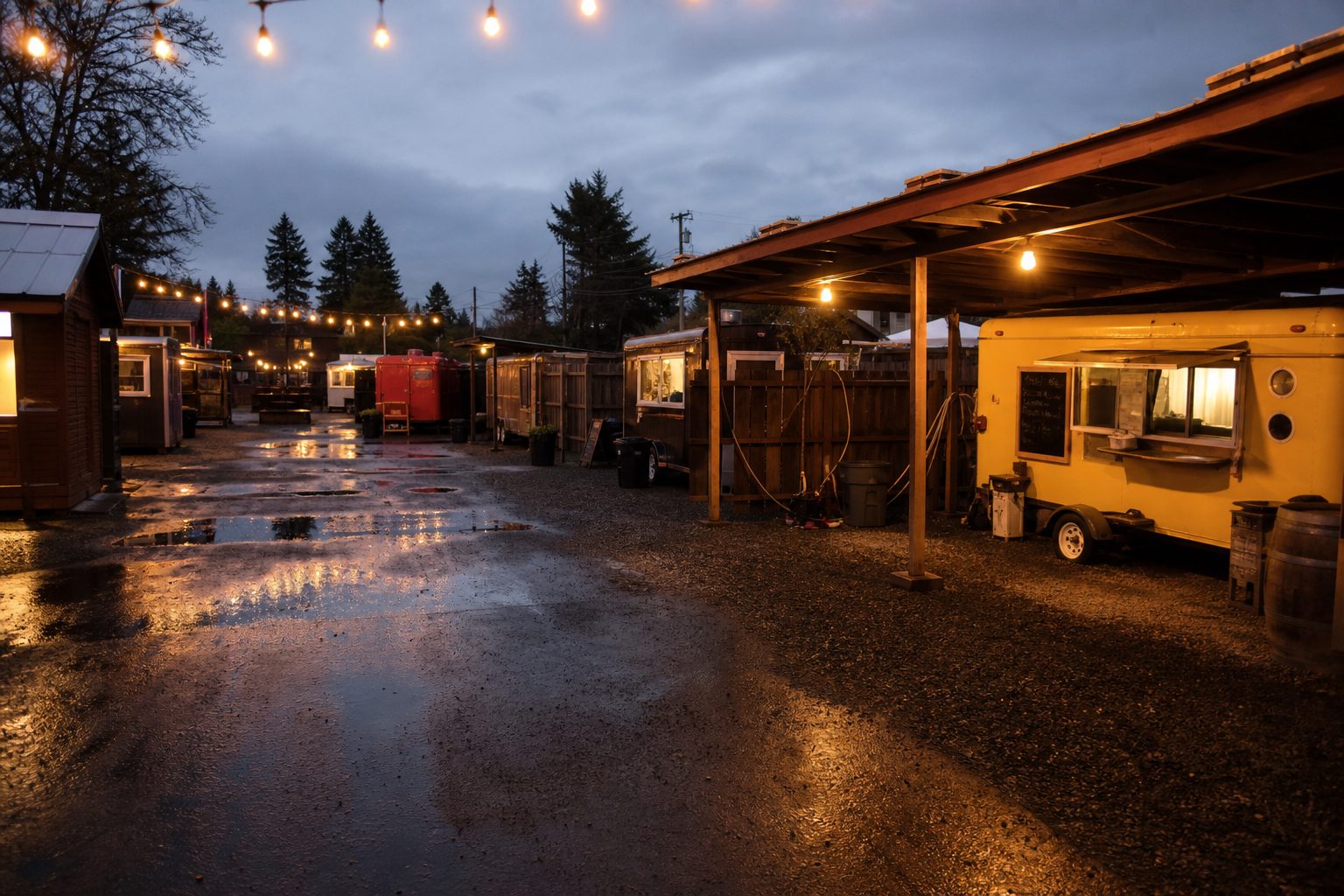
Portland's cart pods are a working model for vending on private land. What the lease covers, who pays for power and water, and which parts of it travel to other cities.
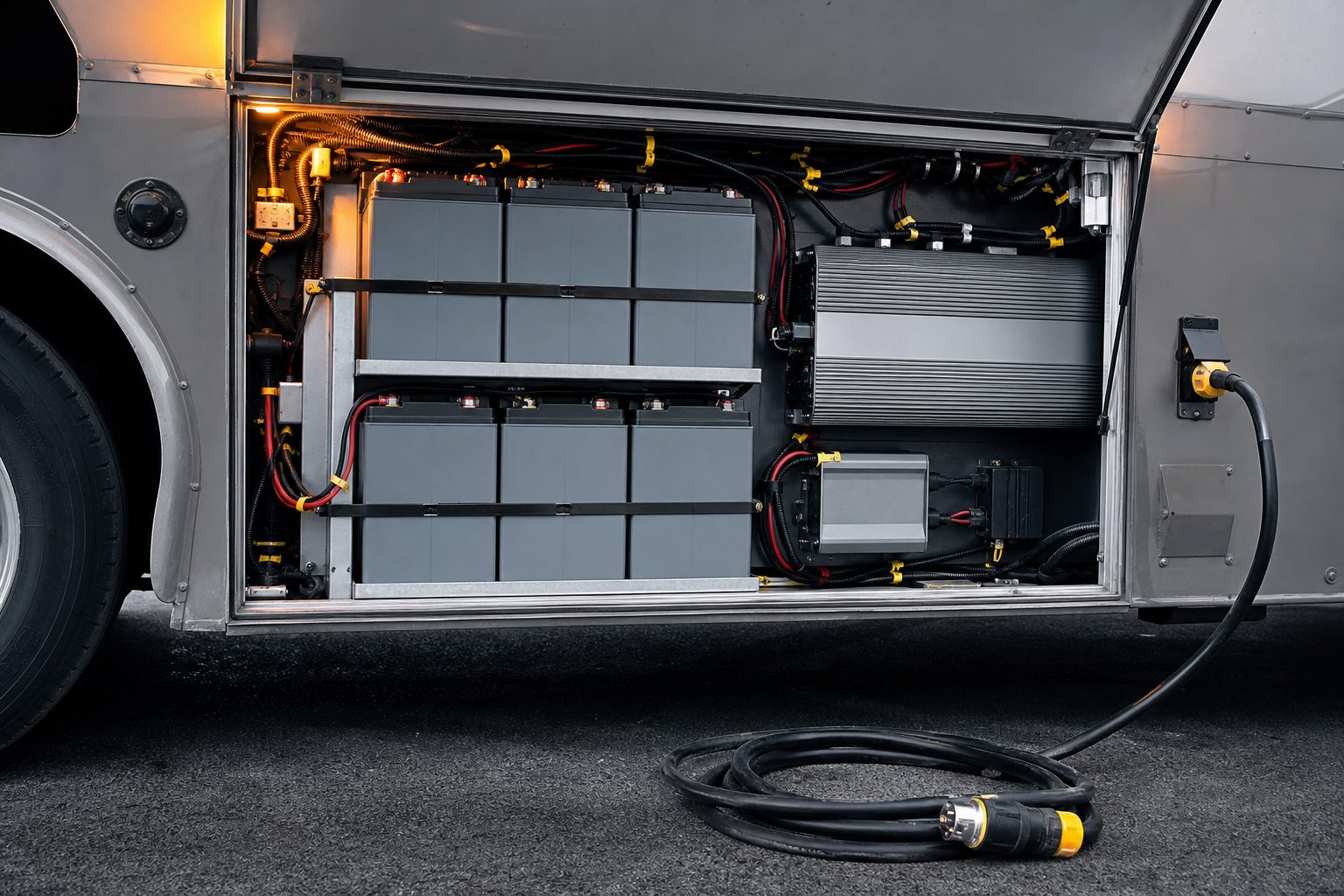
Cities keep tightening noise and idling rules while battery banks get cheaper. What a truck actually draws, what shore power gives you, and where propane still wins.
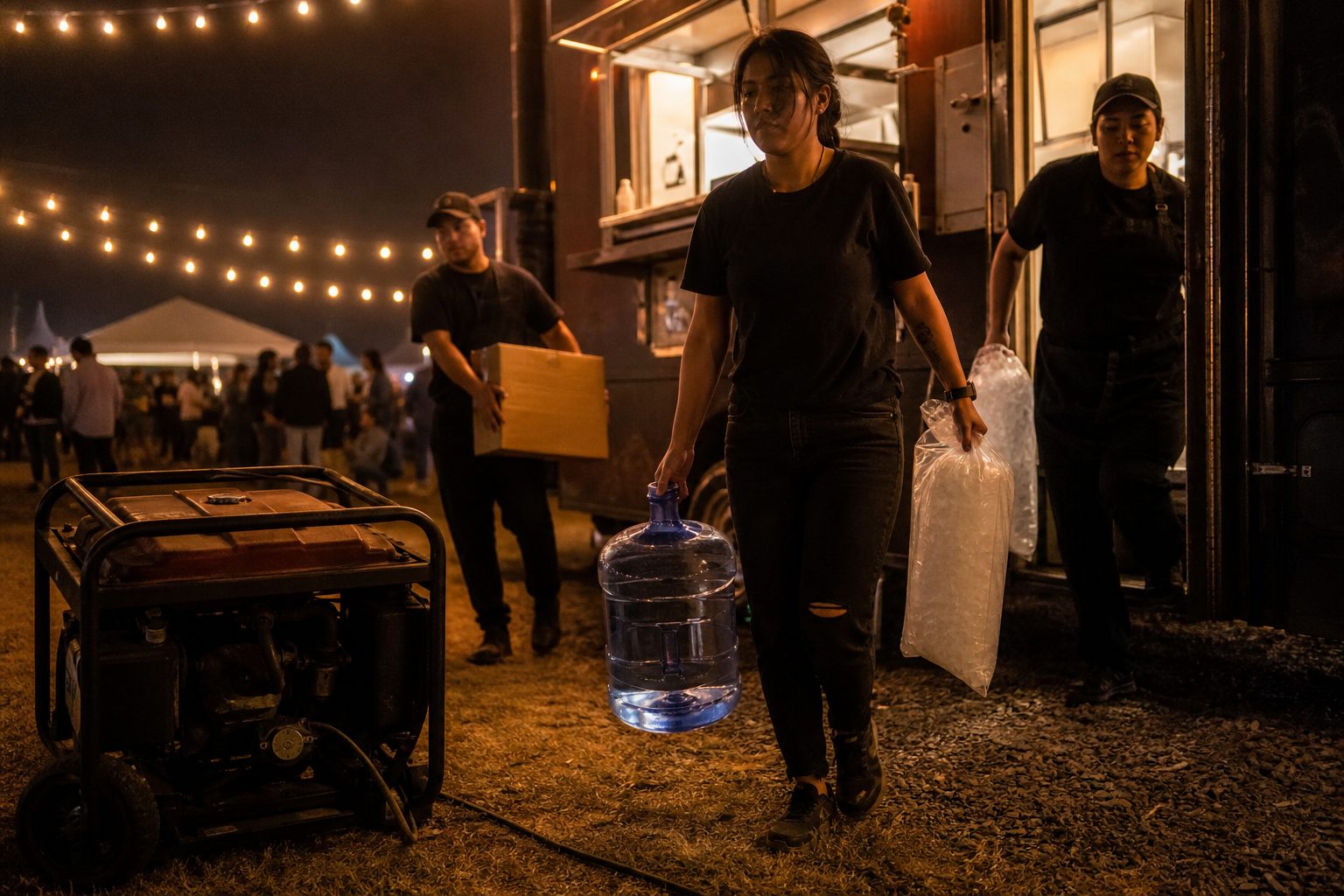
Three days, one spot, no plumbing. A working account of water refills, ice burn, gray water rules, propane runs, and the vendor fee math at the end of the weekend.