The night before: prep, cold chain, and load out
The most organized food truck crews know that tomorrow's smooth opening starts tonight. Start by reviewing your prep list: sauces, proteins, and toppings need to be portioned and labeled. Labeling should include date, time, and product name. This keeps inventory rotation simple and satisfies any health inspector who checks your cold holding.
Check that all cold items are cooled to safe temperatures before stowing them in pans or containers. Use shallow pans for faster cooling. For trucks with commissary access, use the commercial fridge as long as possible. For trucks using home kitchen prep, transfer items to the truck's fridge or cooler right before leaving.
During load out, group items by storage temperature and location. Dry goods, paper supplies, and pans go in first, then cold foods last, minimizing time out of refrigeration. Confirm that all service equipment, knives, tongs, utensils, gloves, are packed. Use a checklist to avoid last-minute scrambles in the morning.
Restock condiments, napkins, and takeout containers. If you serve drinks, make sure your ice bin or cooler is clean and prepped. Charge handheld devices and backup batteries overnight. Take a minute to check your commissary agreement: some require daily logs or sign-out sheets before you leave.
Keep reading: Menu Mistakes That Slow a Food Truck Window to a Crawl
Water on board: fresh tank fill, water heater, and hand sink supplies
Start the morning by filling your fresh water tank at a certified potable water source. Tanks should be sanitized regularly, but today's job is making sure you have enough water for hand washing, food prep, and dish rinsing. Most food trucks need at least 30 to 50 gallons for a full lunch or dinner rush.
Prime the water heater. Turn it on early so hot water is available when the inspector walks up. Some local codes require a minimum temperature at the tap, so check with a thermometer. If your truck has an inline heater, verify the pilot light or power connection.
Check soap and paper towel dispensers at the hand sink. Stock gloves nearby for easy access. Fill sanitizer buckets and label them, most health inspectors want to see them ready before service. Don't forget extra sanitizer test strips, which are easy to misplace in a cluttered truck.
Propane and generator start up in the right order
Mobile kitchens run on a mix of propane and generator power. For safety, open the propane tank valve slowly, checking for leaks by smell or with soapy water. If your truck uses multiple propane tanks, open them one at a time. Many operators keep a spare tank onboard for emergencies.
Once propane is open, light pilots for the griddle, fryer, and stovetop. Let them run for a few minutes to burn off any residual air. Always turn on the hood fan before firing appliances. If you notice any inconsistent flame, shut off the gas and check the connections.
Generators come next. Start with the main breaker off. Allow the engine to warm up for three to five minutes. Switch on power after the generator is running smoothly. Verify that fridges, freezers, and hot holding units are pulling power as expected. Keep a log of generator run times and fuel level. Many inspectors ask to see this.
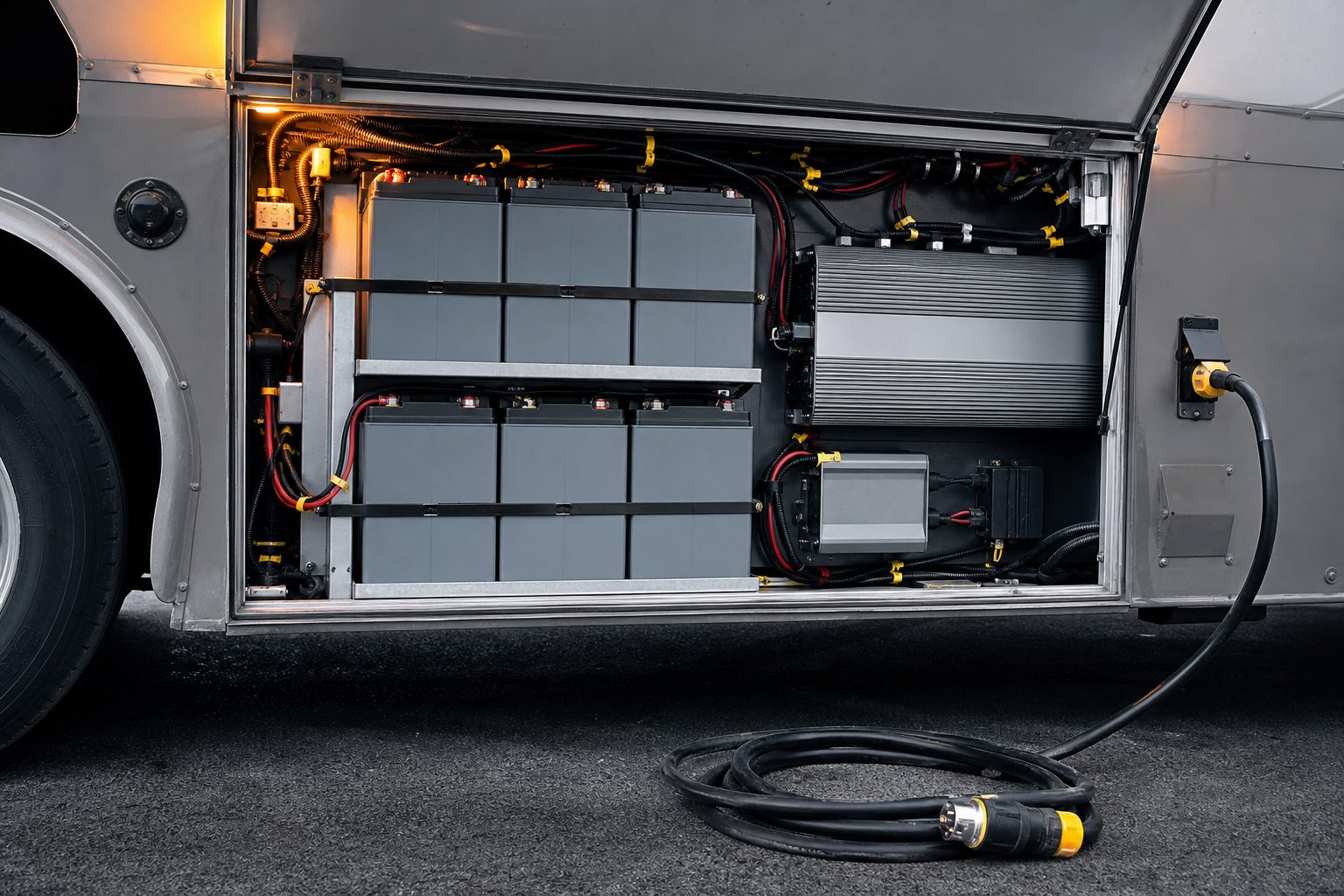
If you use shore power at a commissary or event, double check the amperage before plugging in. Carry extra extension cords and adapters. For battery-based systems, confirm state of charge and test all outlets.
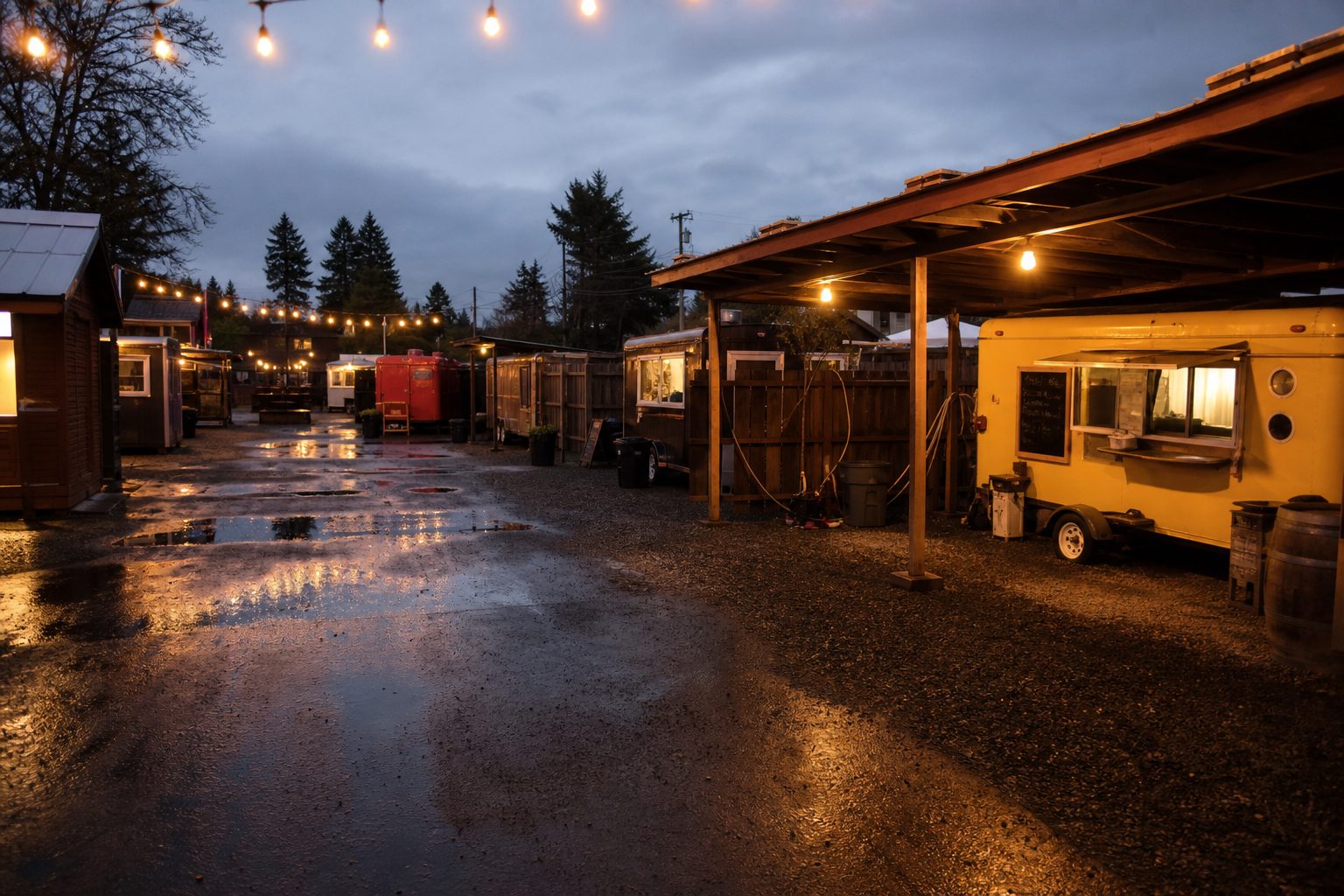
Keep reading: How a Portland Food Cart Pod Works: Lease, Power, and Plumbing
Temperature logs from the cooler to the hot hold
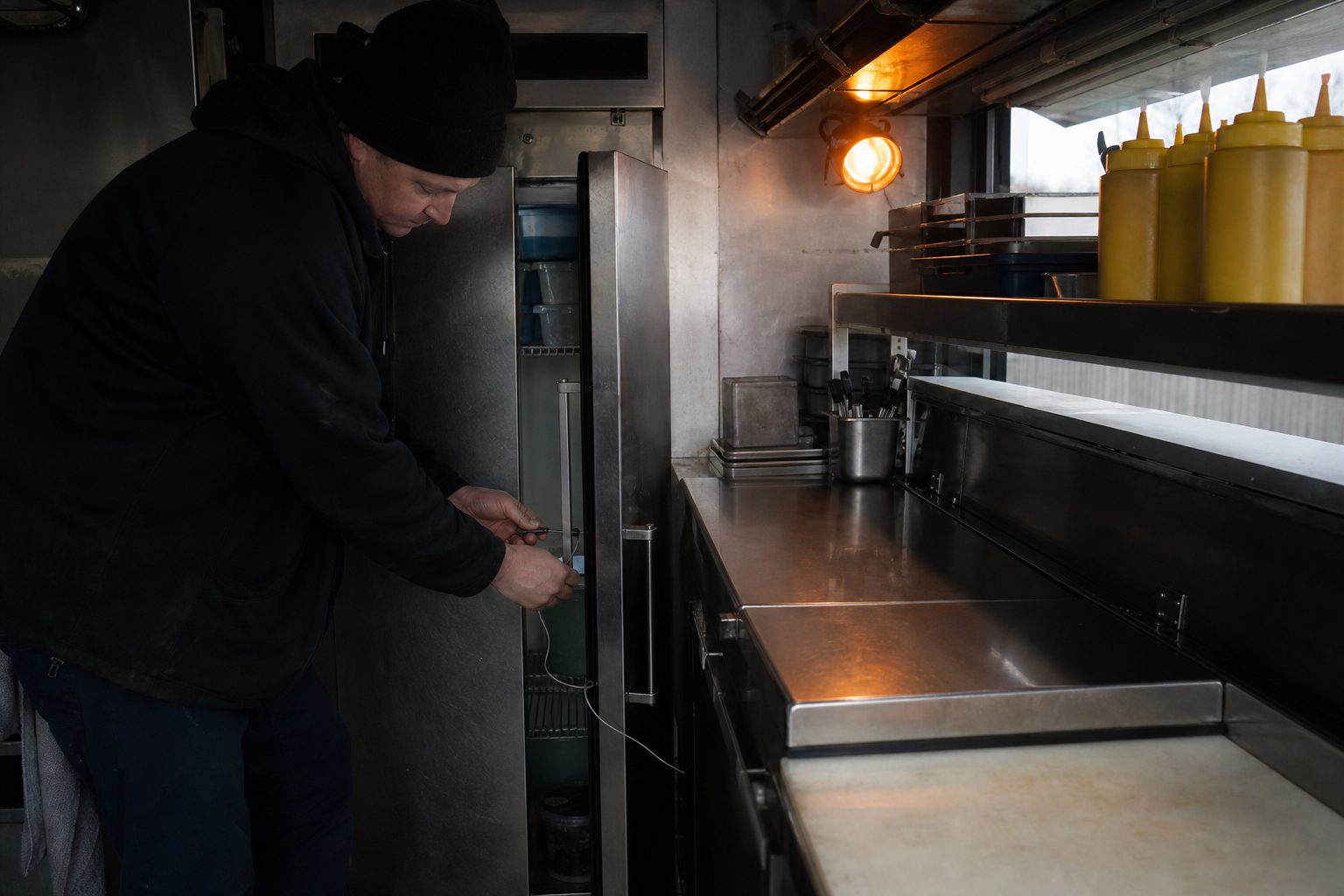
Before loading food into service, every mobile kitchen must track temperatures. Use a calibrated probe thermometer. Document fridge and freezer readings first. Most health codes require cold items to be held at or below 41 degrees Fahrenheit. Write down each reading in a logbook or digital form.
Transfer hot items from storage to steam table or hot box. Record holding temperatures immediately; many states require at least 135 degrees Fahrenheit for hot foods. Don't rely on the appliance's built-in thermometer. Use your probe for every item. This keeps logs accurate and defensible.
Hold prepared foods in small batches. Rotate items through hot and cold holding as needed. If anything falls outside the safe range, reheat or chill it, or discard if unsafe. Keep logs in a visible, accessible spot for quick inspection. Many operators post the log sheet right by the service window.
If you serve raw proteins, document when you move them from fridge to prep, and note any time spent at room temperature. This is especially important for seafood, poultry, and ground meat.
Setting the window: POS, cash float, card reader, and signal
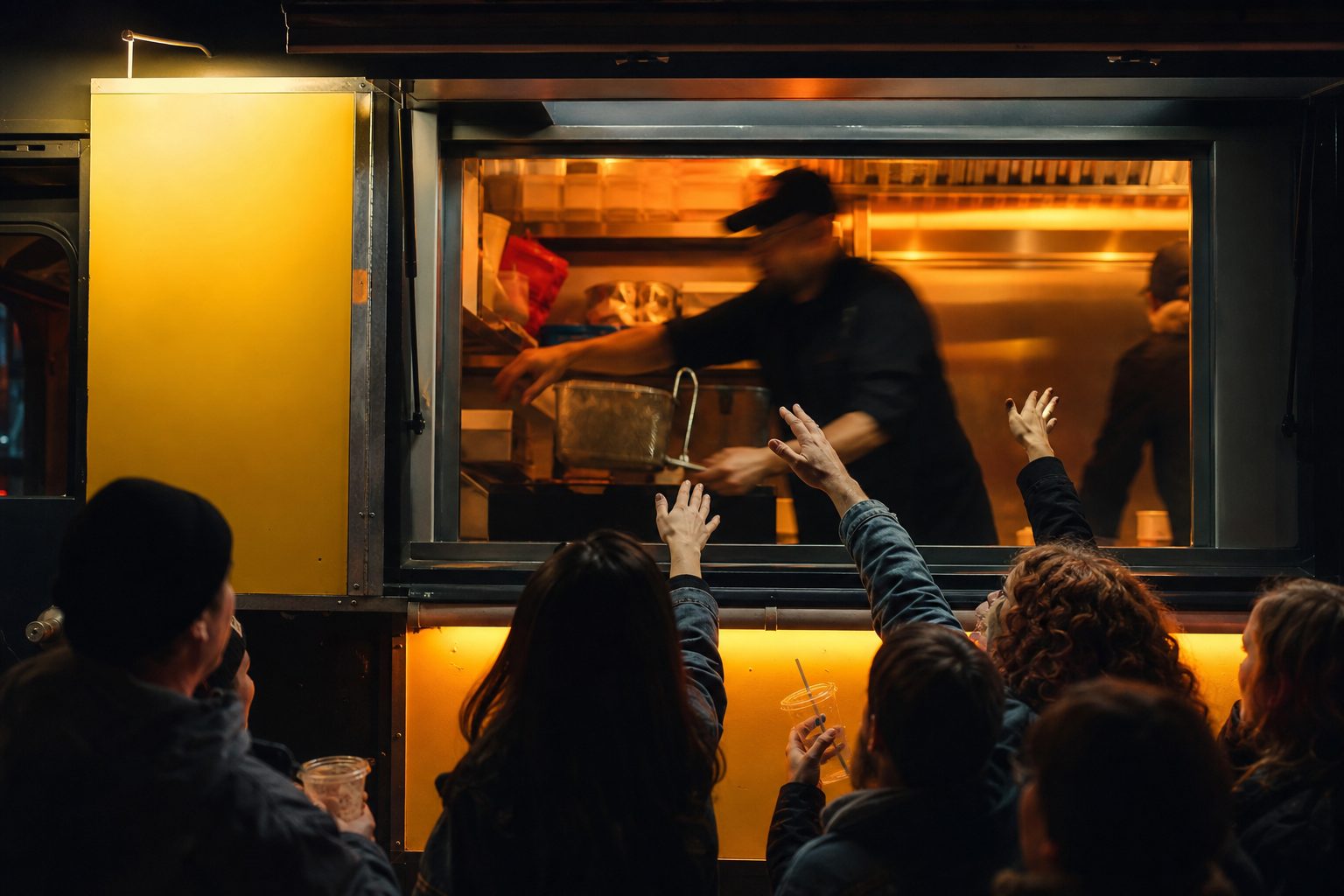
The service window is your point of contact and your cash flow center. Set up the point of sale (POS) system first. Boot up the tablet or register and sign in. Run a test transaction to be sure receipts print and sales record.
Count and prepare the cash float. Most trucks keep at least twenty dollars in ones, fives, quarters, and dimes. Store the cash box within reach but out of view from customers. If your area uses cashless payment only, post a clear sign up front.
Connect the card reader. Test with your own card or a key staffer's card. Check for Bluetooth pairing or cable connections. Keep an alternate reader or chip swiper handy in case of technical problems.
Test your cell signal, WiFi, or hotspot. Many trucks run transactions through mobile networks. If you have poor signal, try moving the hotspot to the roof or window. Some operators use signal boosters or external antennae for reliability.
Stock the window with pens, order pads, and extra napkins. Place tip jars out, labeled with your logo or menu theme. Have a trash bin nearby for easy cleanup during and after service.
See how CurbsideDrop handles this for food trucks and street food
Menu board, allergen notes, and the price sheet
A clear menu speeds up service and keeps lines moving. Wipe down and update your menu board before opening. Double check that prices match your POS system and that all specials are listed. Chalk, dry erase, or digital signs work, but keep the print large and legible.
Include allergen information for each dish. Use icons or highlight common allergens like dairy, eggs, nuts, wheat, soy, fish, and shellfish. Label gluten free or vegan items clearly. Some states require written allergen notices available for customers on request. Keep a printed binder or digital file in the truck.
Display a price sheet close to the window. Update it if you have to change menu items or prices mid-shift. If you're running out of an item, mark it as sold out. This cuts down on customer confusion and reduces order errors.
Remember to post local permits, health ratings, and inspection stickers where customers and inspectors can see them. Some cities issue daily or event-specific permits, double check you have the right one before opening.
Parking legally and leveling the truck before you open
Finding the right spot matters for both sales and compliance. Scout your location in advance. Look for legal parking zones that allow food trucks. Avoid fire hydrants, loading zones, and bus stops. Most cities require you to park a set distance from brick-and-mortar restaurants or schools. Check signage closely for time limits and tow-away zones.
Once parked, set wheel chocks for safety. Use leveling blocks if your truck or trailer is on a slope. A level kitchen keeps fryers, griddles, and refrigeration working properly. It also stops oil from pooling unevenly and pans from sliding during service.
Confirm you're not blocking pedestrian paths or driveways. Unfold awnings and set up tables or trash bins according to city regulations. Take a phone photo of your parking spot and permit, which can help resolve disputes if enforcement arrives.
If you vend at private events or breweries, check in with the site manager before service. Some locations require proof of insurance or additional documentation at the start of every shift.
Close out: waste, gray water, cleaning logs, and the fuel gauge
Service doesn't end when the last customer leaves. Start close out by collecting all trash, food waste, and recyclables. Use heavy-duty liners and separate compost if your city requires it. Tie off bags and store them securely until you can access proper disposal at your commissary or an authorized site.
Empty gray water tanks into a certified disposal drain. Never dump on the street or in storm drains. Rinse tanks with clean water to prevent buildup and odors. Check for leaks or clogs before refilling for the next shift.
Sanitize all surfaces: counters, sinks, and equipment. Log your cleaning steps in a daily record. Many inspectors want to see proof that you clean and sanitize at the end of every shift. Store used aprons and towels in a sealed bin for laundering.
Check your propane and generator fuel levels. Note how much is left and estimate your needs for the next day. Refuel carefully, away from ignition sources. For electric trucks, plug in for overnight charging as soon as you return to base.
Review your logs: temperature, cleaning, and maintenance entries. Secure cash and close out the POS system. Lock all doors and windows before departing. A thorough close out prevents surprises and keeps your mobile kitchen running smoothly shift after shift.
A detailed checklist helps your crew stay ready for inspections and surprises. Many operators now use digital tools to track logs, update menus, and broadcast locations in one step. A daily platform that manages your menu, SMS updates, and social posts can keep customers in the loop and your operation on schedule, all from the same checklist you follow each day.