How a cart pod is assembled on a private lot
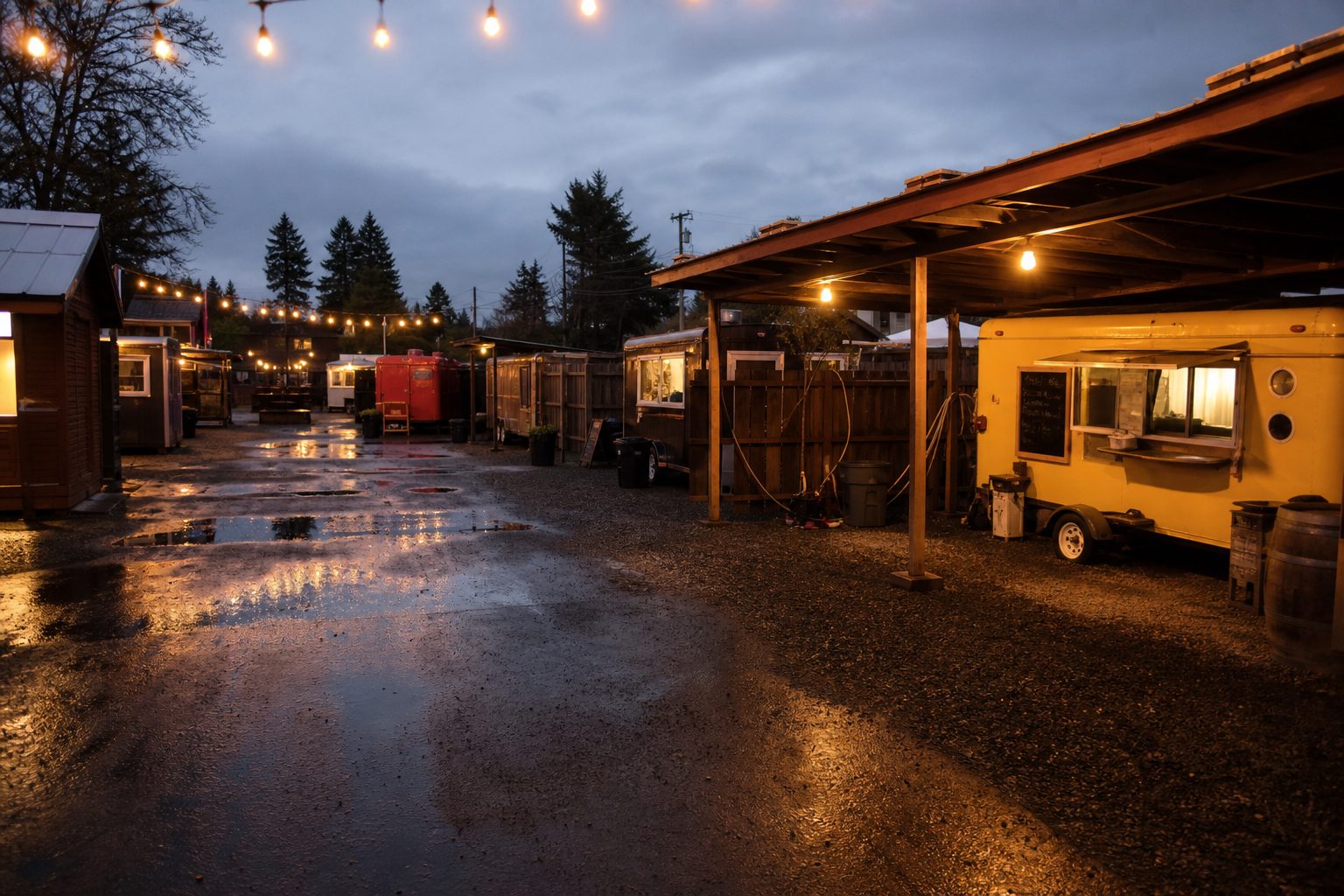
In Portland, the food cart pod is a familiar sight. It starts with a property owner, often holding a vacant or underused parcel in a busy part of the city. Instead of seeking a permanent tenant or new construction, the owner can license a set of food carts to set up on the lot. This approach helps both parties. The lot generates regular revenue, and the carts gain a stable location with foot traffic.
Site preparation varies. Some pods begin on gravel or paved lots with little more than marked spaces and a few picnic tables. Others invest in fencing, landscaping, and permanent seating. The city's planning department reviews the site plan, looking for access, fire safety, and waste management. Pods on private land must meet zoning rules, but the standards are less strict than for brick-and-mortar restaurants. This flexibility is what attracts many operators.
Each cart negotiates with the pod's landlord. Some pods are open to all comers, while others curate a lineup for a certain vibe or cuisine mix. The number of carts on a lot depends on the lot size, local fire code spacing, and available utilities. Most pods range from a handful of carts up to twenty or more, packed along the perimeter to maximize both visibility and shared seating in the middle.
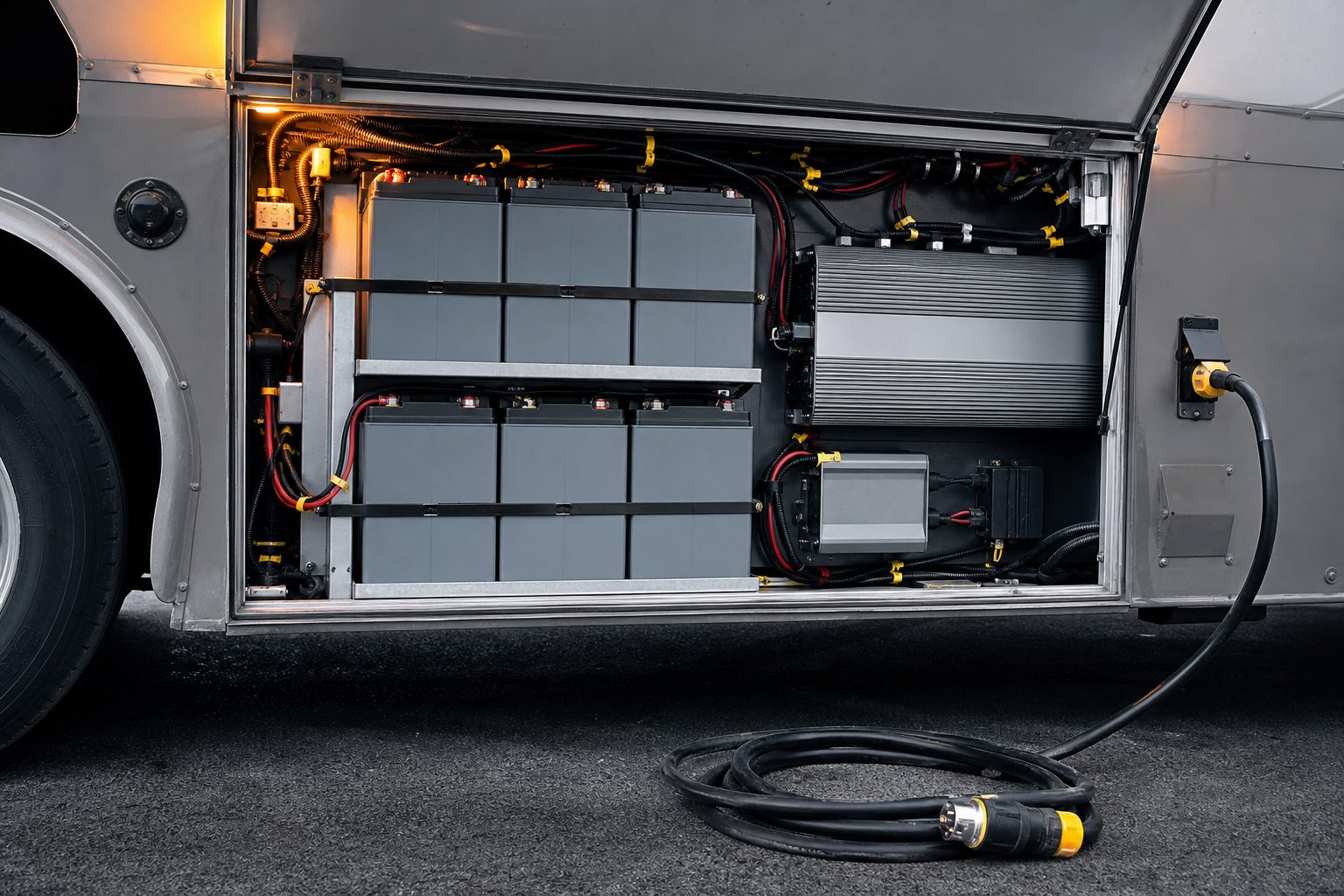
Keep reading: Battery Power on Food Trucks: What Is Replacing the Generator
What a pod lease covers and what it leaves to the operator
Most Portland pod leases are month-to-month, though some offer six- or twelve-month commitments. The lease specifies the cart's footprint, which may be a fixed spot or allow some flexibility to move within the pod. The landlord provides basic site services: trash collection, shared restrooms if required, and a legal right to operate on the lot. The lease will detail quiet hours, access hours, and rules for set-up and teardown.
What the lease does not cover is just as important. The cart operator typically brings their own mobile unit, outfitted to code. Insurance for liability and property is usually on the operator, not the landlord. Health permits, food handler cards, and any required mobile food licenses stay with the cart owner. The operator is also responsible for their own supplies, daily cleaning, and staff. Most pod leases make clear that business operations, menu, and pricing are the sole domain of the cart.
Many leases include a clause for pod-wide marketing or events. In these cases, operators may be expected to participate or contribute to group promotions. However, day-to-day marketing, social media, menu updates, and direct customer outreach, remains up to each cart. Some pods offer optional add-on services, like shared dishwashing or propane delivery, but these are rarely included in the base lease.
Electrical service, amperage per cart, and who pays the meter
Electricity is a major concern for any food cart, especially in Portland's climate, where refrigeration and lighting are needed year-round. The pod landlord typically installs a main service panel, sized to serve a set number of carts. Each cart gets a dedicated hookup, often on a subpanel. In older pods, you may find extension cords snaking across gravel, but newer pods are required to hardwire each connection for safety.
The amperage per cart varies. Most carts in Portland run on 30 to 50 amps, which is enough for refrigeration, induction cookers, and lighting. Some carts with heavy cooking equipment or espresso machines need more. The pod's total service must be planned to handle peak load, or the whole row will trip breakers at lunch rush.
Who actually pays for the power? In most pods, landlords meter the total usage and either lump power into the monthly rent or bill each cart based on a submeter reading. Some landlords use flat-rate billing to avoid disputes, while others track actual use. Operators should check the lease to see how overages or outages are handled. In rare cases, carts supply their own generators, but this is less common due to noise and emissions rules.
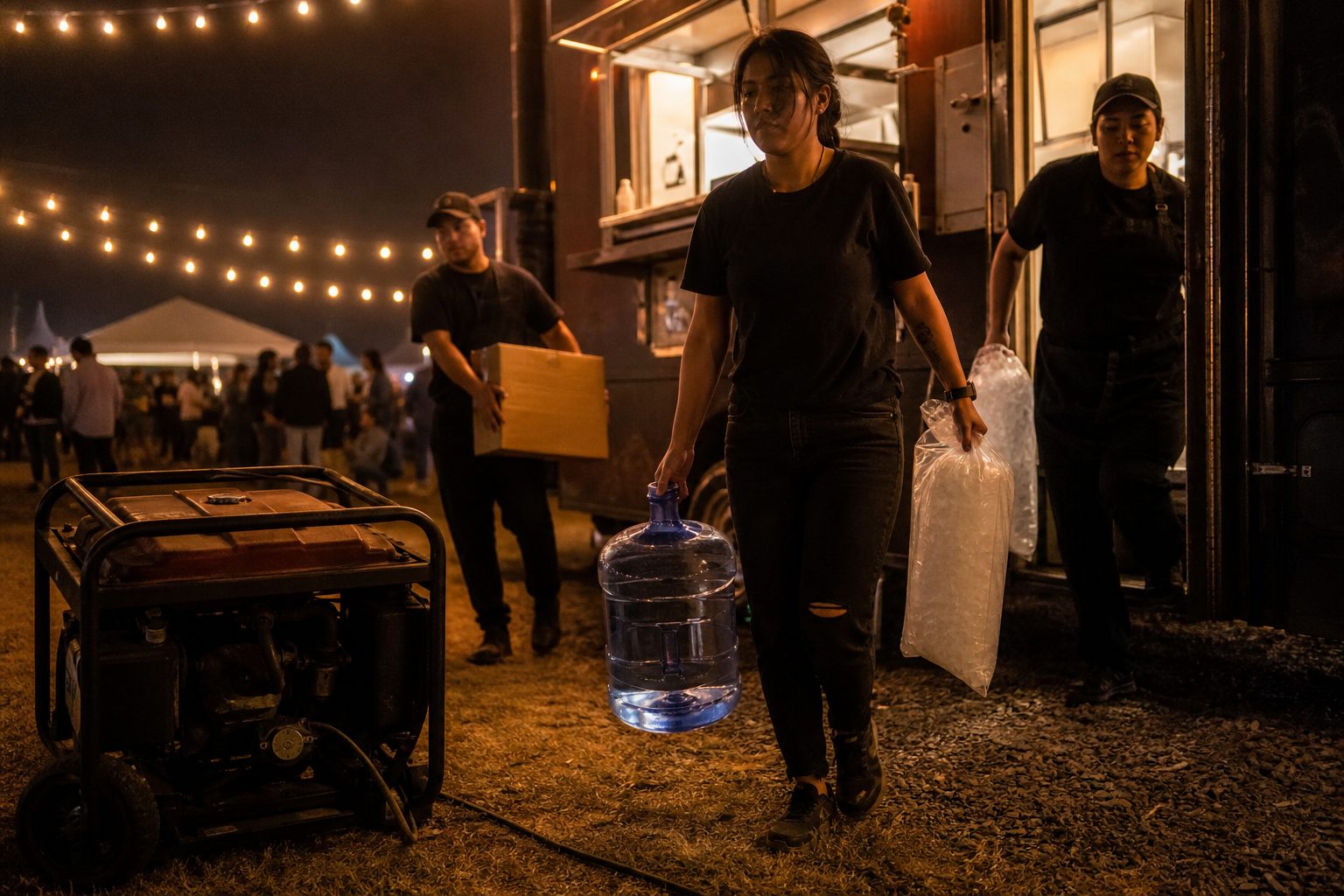
Keep reading: A Three-Day Festival Shift: Water, Ice, Waste, and Fuel Runs
Water, plumbing, and the commissary question in Multnomah County
Water access is another basic need. Most Portland pods offer at least a single shared tap with potable water. Each cart fills up daily tanks for hand washing, cooking, and cleaning. Some pods run underground water lines to each cart spot, which is ideal for high-volume operators. Sanitary regulations require that all carts have a plan for fresh and waste water, whether via built-in tanks or direct hookups.
Sewage is typically handled off-site. Wastewater tanks must be emptied at approved facilities. A few newer pods invest in shared gray water disposal, but most leave it to the cart. The lease will specify whether dumping on-site is ever allowed (usually not), and who is responsible for keeping the area clean. Grease traps are rare at pods since most cooking is done in the cart, but some city inspectors may require grease management plans.
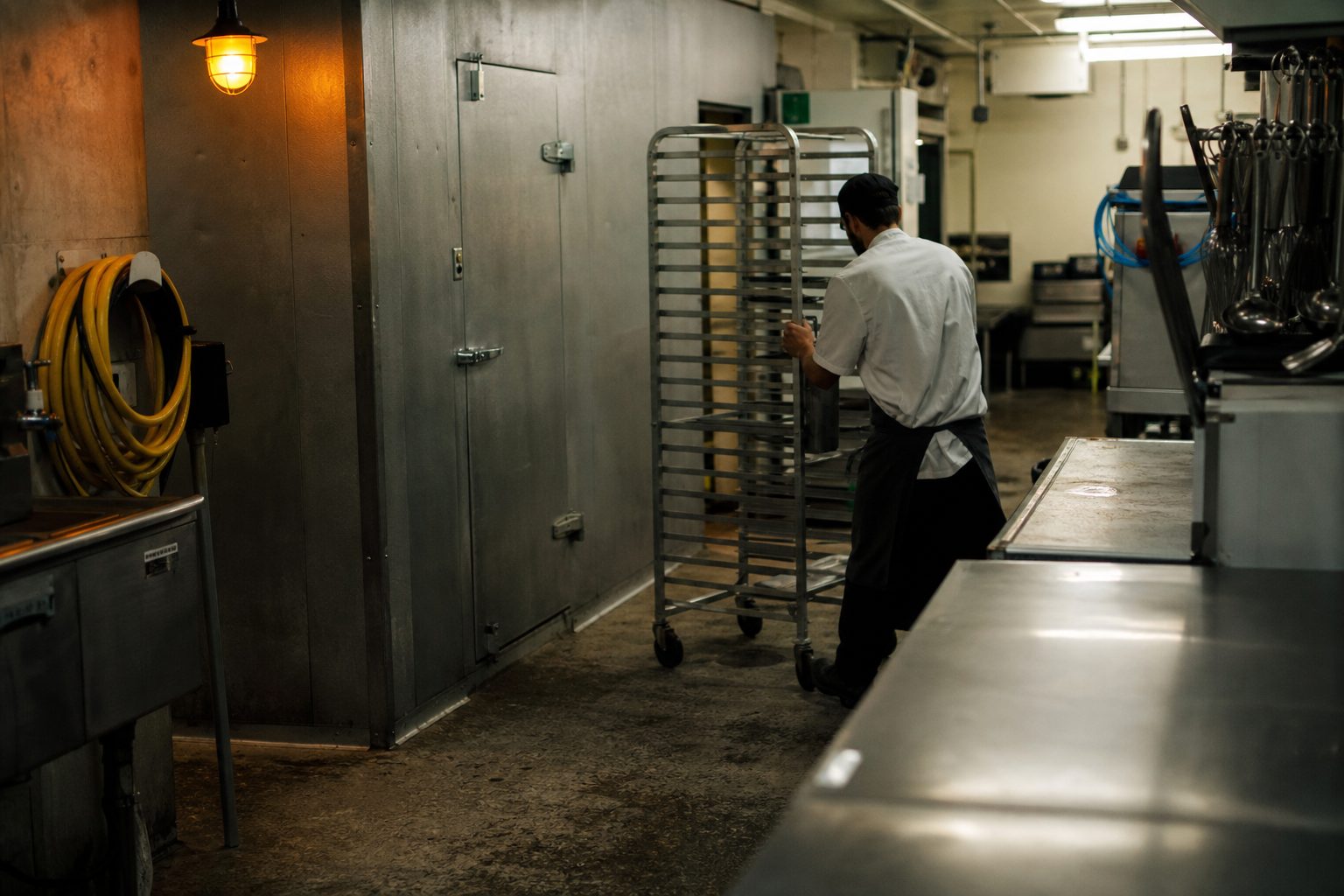
Multnomah County, which covers most of Portland, requires all mobile food units to have a commissary agreement. This means each cart must have access to a licensed kitchen for prep and cleaning, even if most work happens in the cart. Some pod landlords operate their own commissary kitchens as an extra service, while others leave operators to arrange their own. The commissary requirement adds an extra layer of paperwork and expense for newcomers, but it is enforced in health inspections.
Shared seating, restrooms, and covered structures
One of the signature features of Portland pods is the shared seating area. At a minimum, the landlord provides picnic tables or benches in a central space. Some pods go further, investing in large tents, pergolas, or even heated enclosures for year-round comfort. The quality of seating often determines how long customers linger, and whether they bring friends or family.
Restrooms are a sticking point. City rules require any pod with more than a handful of carts, or those staying open past a certain hour, to provide a restroom for both staff and customers. Most pods contract with portable toilet services, while a few have plumbed bathrooms on site. The lease will state who cleans and supplies the restrooms, and whether use is limited to staff only or open to the public.
Covered structures, like awnings or food halls, are more common in new pods. These protect customers from rain and sun, extending the lunch rush and evening dining hours. Building permanent structures may trigger extra permits, so many pods use temporary tents or modular canopies. Operators should review lease terms to see if they can add their own umbrellas or shade, or if all structures are managed by the pod owner.
See how CurbsideDrop handles this for food trucks and street food
Rent structures: flat monthly versus a percentage of sales
Rent is the largest fixed expense for most food cart operators, after labor and food cost. The two main models in Portland are flat monthly rent and percentage-of-sales rent. A flat rent is straightforward: the operator pays the same amount each month, regardless of sales. This makes budgeting easier and appeals to operators with established followings or predictable business.
Percentage rent ties the lease payment to the cart's gross sales, usually verified by daily or weekly sales reports. The typical range is ten to fifteen percent, but some pods may ask for more. Percentage rent benefits new operators or those in unpredictable locations, since rent falls if sales dip. However, it requires consistent reporting, and some operators are wary of sharing financials with the landlord.
Hybrid models exist. Some pods charge a low base rent plus a smaller percentage. Others adjust rates seasonally or for special events. Operators should review the lease for clauses about minimum guarantees, reporting requirements, and audit rights. In busy summer months, percentage rent can outpace flat rent, so it pays to run the numbers before signing. Most Portland pods favor flat monthly leases for simplicity, but the trend toward percentage rent is growing, especially in newer, high-traffic pods.
What the pod model does and does not transfer to other US cities
Portland's cart pod model is envied by operators around the country, but not every city can copy it directly. The biggest challenge is zoning. Many cities restrict where food trucks can park, limiting private lots or banning clusters entirely. Where private pods are allowed, building codes, fire lanes, and restroom rules often differ. Some cities require commercial-grade utility hookups, while others allow temporary setups with tanked water and generators.
Weather is another factor. Portland's mild climate helps pods operate year-round. In cities with harsh winters or hot summers, pods may need to invest more in covered seating, insulation, or climate control. Customer expectations also vary. In some towns, street vending is seen as temporary or less desirable than brick-and-mortar. Pods must work harder to attract repeat traffic and overcome regulatory skepticism.
The parts of the model that travel well include the shared marketing, group events, and the sense of place that pods create. Operators in other cities can benefit from group branding, coordinated schedules, and shared amenities. However, the utility setup, restroom provision, and commissary requirements will depend on local codes and landlord investment. Rent models also vary, with some cities favoring daily or event-based fees over monthly leases.
For operators adapting the pod model outside Portland, clear communication is key. Customers need to know where the pod is, who is open, and what's on the menu, especially when weather, regulations, or local patterns keep things in flux. Broadcast tools that let operators update their daily location and menu to a text message list, a live map, and social media help ensure that customer traffic follows wherever the carts go.