Timing your true ticket time before you add another dish
Every menu item adds seconds to each order, and those seconds pile up into long lines. Many truck owners underestimate the real time it takes to execute a ticket from start to finish. It is easy to time your prep in a quiet kitchen, but the rush is a different story. At lunch, the window is crowded, the griddle is full, and every extra step means the next ticket waits.
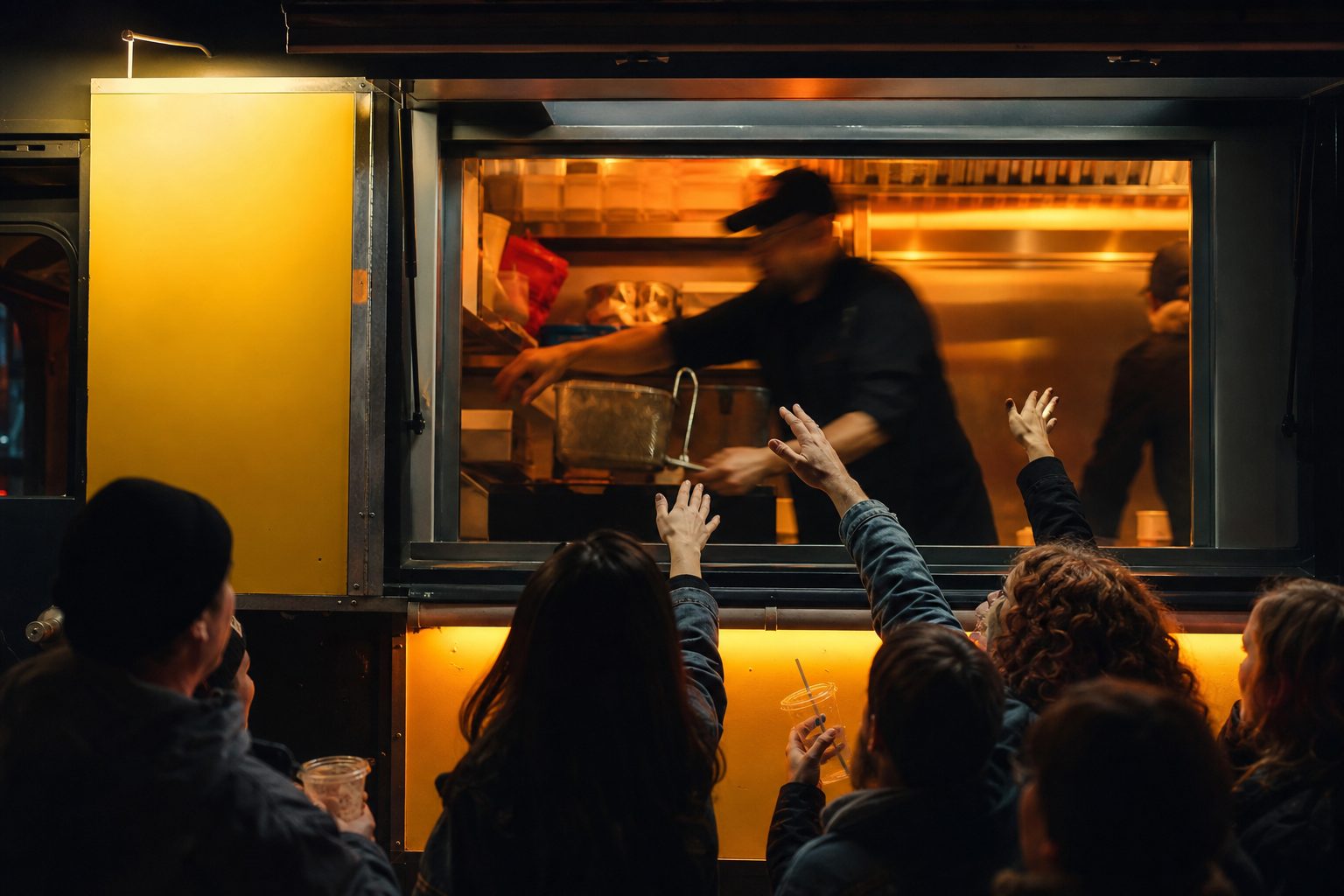
The only way to know the impact of a new menu item is to time it under pressure. Start your stopwatch from the moment you take the order. Count everything: the time to explain the item, ring it up, cook, assemble, and hand over. Multiply that by a rush hour's worth of tickets. If you add a loaded fry or a new sandwich, you are not just adding ingredients: you are adding steps, and each step slows the whole line.
Many owners are tempted to add variety to attract more customers. In practice, each addition eats up capacity. A dish that takes ninety seconds to build in the test kitchen might take double that when you are juggling three orders and someone wants a no-onion version. Before you add another dish, make sure you know your true ticket time with your current menu, not just your best time in a quiet moment.
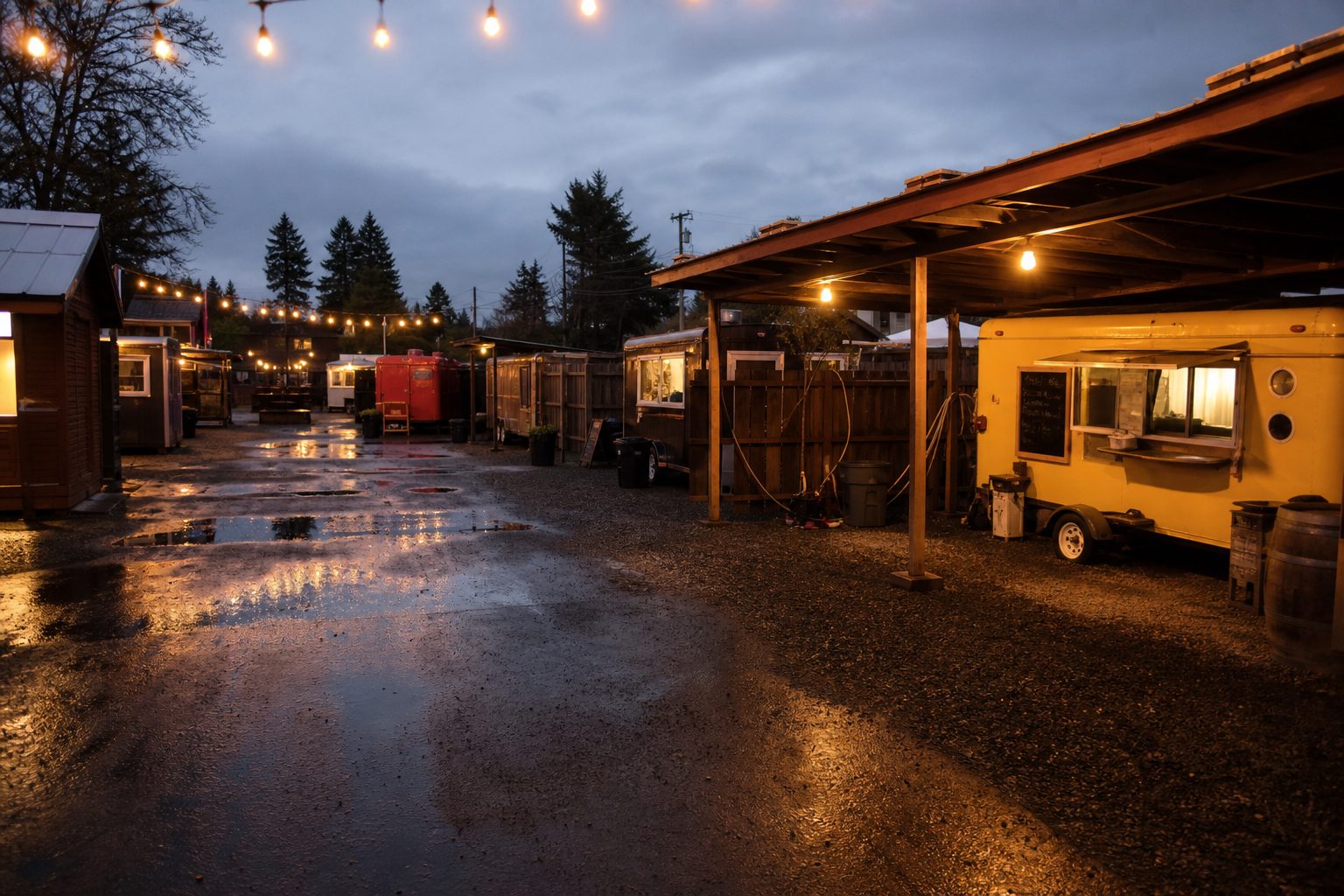
Keep reading: How a Portland Food Cart Pod Works: Lease, Power, and Plumbing
Building around one protein and one cooking surface
The most efficient food trucks keep their menus centered on a single protein and a single primary cooking surface. This focus minimizes both prep overhead and ticket times. Relying on more than one main protein, or switching constantly between griddle, fryer, and oven, creates traffic jams in a tight galley.
For example, a taco truck that uses only grilled chicken as its main protein can prep everything on one surface and avoids cross-contamination. Side items and toppings are built around that chicken, so the workflow stays smooth and predictable. If you add shrimp or steak, you need to clean between proteins, change out utensils, and manage different cook times, all of which slow service.
Each new cooking surface adds complexity. Switching between a griddle and a fryer requires different tools, temperatures, and attention. The more you ask your crew to juggle, the more room for mistakes and delays. Limiting your menu to items that all start from one hot surface means each order goes out fast, with fewer chances for something to go wrong.
The fryer bottleneck and how a single basket stalls a line
Many food trucks rely on a single fryer for fries, tots, or crispy toppings. The problem is, one fryer basket sets a hard limit on how many tickets can move at once. When three orders in a row call for fries, only so many portions fit in the basket. The rest sit in the queue, even if everything else on the ticket is ready.
Some operators try to add a second fryer basket or swap for a double basket unit. This helps, but space and power on a truck are limited. In practice, most stick with a single fryer and try to keep up. The real fix is to design your menu so that the fryer is not a necessary step for most tickets. If every main dish needs fries, every ticket waits for that basket to free up.
It is tempting to offer loaded fries, fried pickles, and onion rings for variety. But once those become popular, the fryer is always full. Consider offering only one high-demand fried item, or prepping some fried ingredients ahead of the rush and holding them in a warming tray. If you find yourself constantly waiting on that fryer basket, your menu needs a rethink before the next event.
Made to order versus batch and hold, and where the line falls
The ideal for any chef is made to order, but in a food truck window, there are limits. Certain components can be batched ahead without loss of quality, while others must be cooked fresh. The trick is knowing where to draw the line. Burgers and grilled sandwiches lose their appeal if they sit under a heat lamp, but taco proteins, rice, and sauces can be held safely and served fast.
Batching the right items
Stews, braised meats, and sauces are perfect for batch and hold. Cook them ahead, portion them into hot wells, and scoop as needed. Even sides like mac and cheese or mashed potatoes can be held warm for the lunch rush. This approach keeps the assembly line moving and frees up your crew to focus on last minute details and finishing touches.
What must be made to order
Some items do not take well to sitting. Fried foods lose crispness. Toasted buns go soggy. Green salads wilt. Anything with a short shelf life should be assembled or cooked to order, but keep these items to a minimum during the rush. If your menu requires too many last second steps, the line backs up fast. The more you can prep ahead, the smoother your service runs.
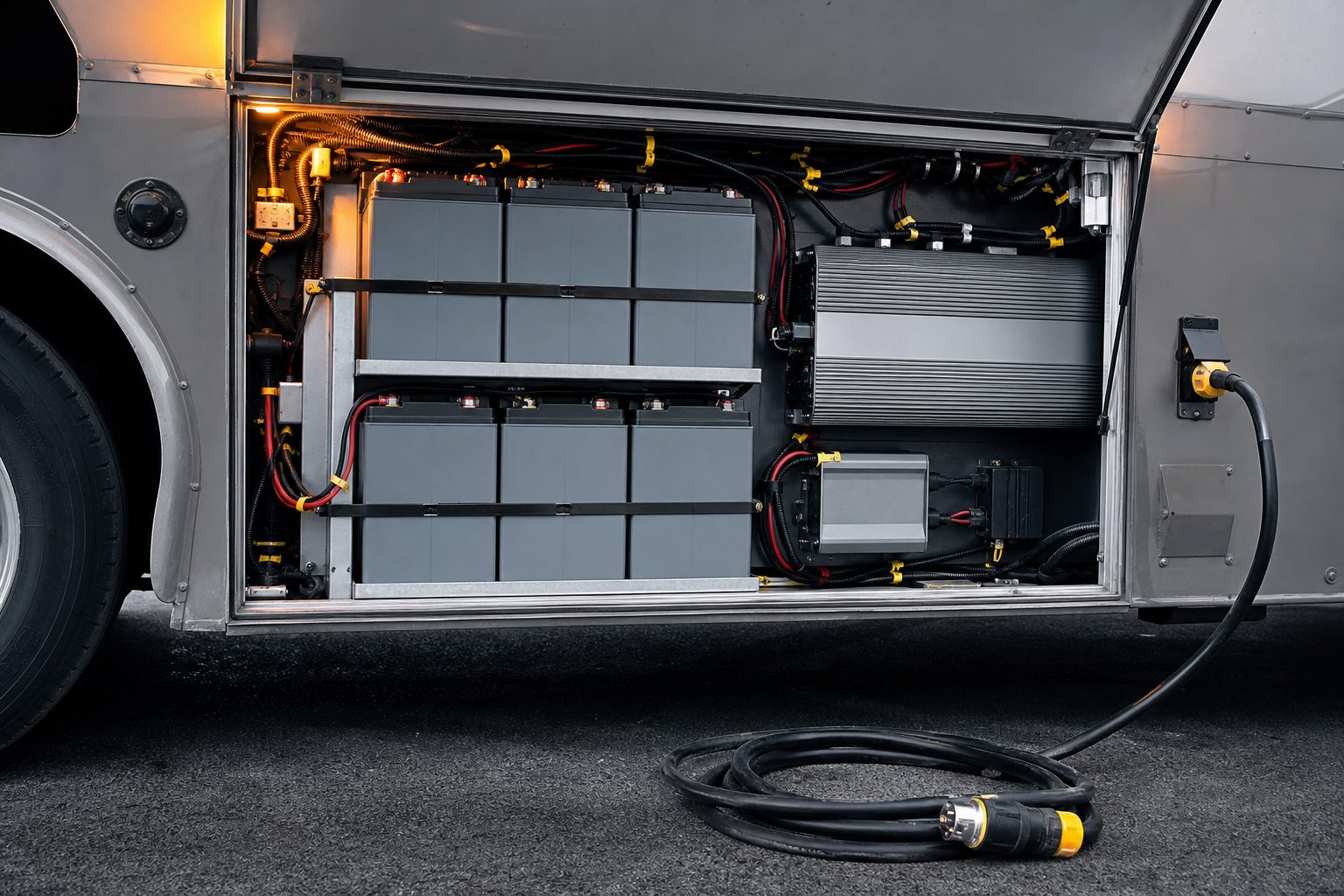
Keep reading: Battery Power on Food Trucks: What Is Replacing the Generator
Too many modifiers at the window
Customers love to ask for changes: no onions, extra sauce, substitute tots for fries. While accommodating requests is good for business, too many modifiers kill speed. Every special request means the kitchen has to deviate from the standard build. That slows down not just one ticket, but every ticket behind it.
Menus with lots of customizable options invite decision fatigue at the window. Customers take longer to order, the crew spends more time clarifying requests, and mistakes are more likely. If you offer five proteins, four sauces, and three side choices, the combinations pile up. Each extra choice adds time to every order.
The fastest trucks set firm limits on modifiers. They offer a few clear choices, like regular or spicy sauce, fries or chips, and build the menu so that most customers are happy with what comes standard. If you want to speed up the line, reduce the number of decisions that happen at the window and keep the assembly process as close to identical as possible for each ticket.
Ingredients that appear on only one item
It is tempting to add a special sauce or topping for a signature dish, but if those ingredients are used on only one menu item, they create bottlenecks and waste. Every one-off ingredient means extra prep, extra storage, and more steps to keep track of during a rush. If that dish is not a big seller, the leftover product goes to waste or takes up valuable space in the cooler.
Ideally, every ingredient on your truck serves at least two menu items. If you use pickled onions on your tacos, use them on a sandwich or salad as well. Sauces, slaws, and toppings should overlap between offerings. This not only speeds up prep but reduces the odds of running out of a key element mid-service. The more shared ingredients, the leaner your inventory, and the quicker your line moves.
Watch your prep list at the start of each shift. If you are opening a jar or making a batch just for one dish, that item is a good candidate for removal or a recipe tweak. Over time, trimming out single-use ingredients streamlines both the kitchen and your bottom line.
See how CurbsideDrop handles this for food trucks and street food
Pricing that forces you to make change on every transaction
When you set menu prices, it is tempting to go for round numbers or match your competitors, but cash transactions need careful thought. If your prices require making lots of change, like $7.25 or $8.50 for every ticket, you will spend extra seconds per order fumbling with quarters and dimes. At a busy window, that adds up fast.
Many food trucks now rely on card readers, but cash still shows up, especially at festivals and street events. If your price points mean you are always digging for small bills and coins, you are slowing your own line. Consider pricing items at whole dollar amounts: $8, $10, or two for $15. This way, cash transactions are quick, and you do not run out of change halfway through the rush.
Think also about combos and specials. Avoid prices that require odd change or complicated math at the register. The less time you spend handling money, the more time you have to serve food and keep your line moving. Even small tweaks in pricing can shave minutes off your average ticket time over the course of a lunch rush.
Testing a menu change on a slow shift instead of a festival
It is easy to try out a new menu item during a slow shift or a rainy day, but that does not tell you how it will work during a real rush. The real test is how a new dish performs when you have a line twenty deep and every second counts. Many trucks learn too late that a new offering, which seemed easy on a Tuesday, brings the line to a halt on Saturday afternoon.
When you introduce a new dish, run a timed test during your busiest window. Watch how the kitchen handles the extra step, how the line moves, and whether your crew can keep up without mistakes. If the new item throws off your flow, it is better to find out on a normal day than during a festival or large event when every ticket matters.
Consider using a menu rotation or a limited-time offer to gauge real demand. If a dish slows the line or causes confusion, you can pull it quickly without disrupting your whole service. The best menu changes are those that keep your average ticket time steady and your crew focused under real conditions.
Conclusion: Keep your menu tuned for speed and clarity
Every decision in menu design affects how fast you move tickets and how many customers you can serve. The most successful food truck menus stay focused: they build around shared ingredients, simple cooking processes, and clear choices for the customer. Trimming out single-use items, limiting modifiers, and setting prices for fast transactions are not just good habits, they are necessities for moving the line and maximizing sales.
When it comes to communicating your menu and daily location, the simpler and clearer your message, the easier it is for customers to find you and order with confidence. Tools that let you broadcast your menu and location once each day, across SMS, map, and social updates, help keep both your crew and your customers in sync, cutting down confusion and wasted time at the window.